Home Remedies for Toenail Fungus: What May Help, What Does Not, and When to See a Doctor

Few cosmetic and comfort complaints are as quietly frustrating as a fungal nail. A toenail that turns thick, brittle, and yellow or white does not usually hurt at first, but it tends to settle in, spread slowly, and resist the home fixes people reach for. If you have searched for home remedies for toenail fungus, you have probably also noticed that the internet is full of confident promises, from soaking in vinegar to dabbing on essential oils. The reality is more modest. Fungal nails are genuinely stubborn, and honesty about what works matters here.
This guide takes a careful, realistic look at self-care for toenail fungus. It explains why these infections are so persistent, which everyday foot and nail habits actually help, and what the evidence really shows about popular remedies like tea tree oil and vinegar soaks. It also covers the myths worth skipping, the medical options that exist when home care falls short (in general terms, with no doses), and the red flags that mean it is time to see a professional, especially if you have diabetes or circulation problems. Throughout, the message is the same: home remedies may help around the edges, but the evidence is limited, and many fungal nails need a doctor. This article is educational and does not replace personal medical advice.
What toenail fungus is and why it is so stubborn
A fungal nail infection, known medically as onychomycosis, happens when fungi take hold in and around the nail. They feed on keratin, the tough protein that makes up the nail, and they thrive in the warm, dark, moist environment inside shoes and socks. The infection often starts at the edge or tip of the nail and slowly spreads. Typical signs include a nail that becomes discolored (white, yellow, or brown), thicker than usual, brittle or crumbly, and sometimes lifted or separated from the nail bed. It is far more common in toenails than fingernails, and it frequently follows or accompanies athlete's foot, since foot fungus and nail fungus are closely linked.
The reason these infections are so hard to clear comes down to where the fungus lives and how slowly nails grow. The fungus sits between the hard nail plate and the nail bed underneath, a spot that is difficult for creams and liquids to reach. On top of that, the infected part of the nail never becomes healthy again. Improvement only shows as a fresh, clear nail grows out from the base, and a toenail can take many months to a year or more to grow fully. That is why even effective treatment requires patience, why stopping early so often leads to disappointment, and why recurrence is common. Understanding this sets realistic expectations: no home remedy makes a damaged nail healthy overnight.
Good foot and nail care habits that help
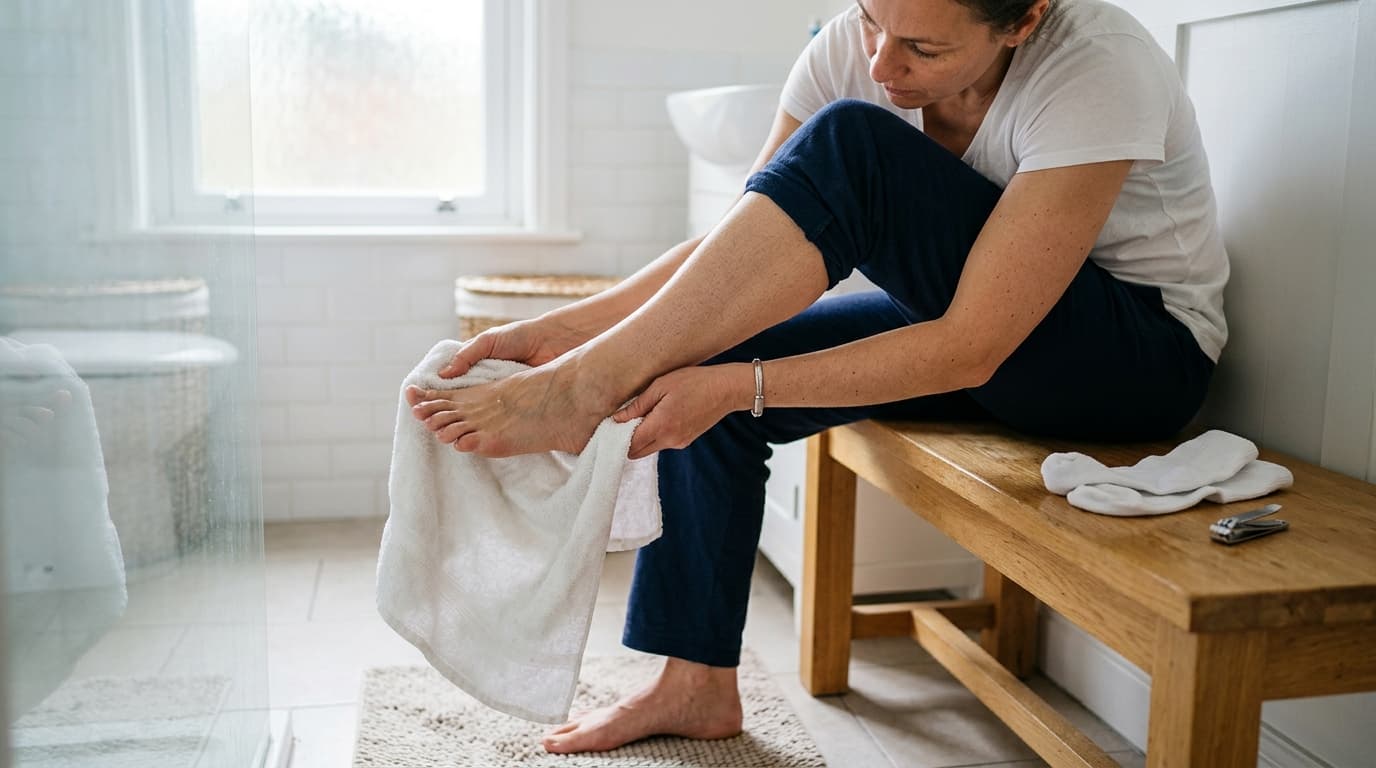
If there is a foundation to managing and preventing fungal nails, it is everyday foot care, and this is where self-care genuinely earns its place. The single most important habit is keeping your feet clean and dry. Fungi love moisture, so washing your feet and then drying them thoroughly, especially between the toes, before putting on socks and shoes removes the damp conditions the fungus needs. Wearing clean socks every day, and changing them if your feet get sweaty or damp during the day, helps keep that environment dry. Breathable, well-fitting shoes that do not trap moisture make a real difference, while shoes that leave your feet hot and sweaty work against you. Rotating your shoes so each pair can dry out between wears is a simple, underrated step.
Nail care matters too. Keeping nails trimmed short and cut straight across, after softening them in warm water, makes them easier to manage and reduces the surface where fungus can spread. Using clean nail clippers is important, and it is wise not to use the same clippers on infected and healthy nails without cleaning them, to avoid spreading the infection. Because fungal nails can spread to other people and to your own skin and other nails, a few sharing rules help: do not share towels, socks, shoes, or nail tools, and wear flip-flops or sandals in communal showers, changing rooms, and around swimming pools. Treating any athlete's foot you have at the same time is sensible, since the two often travel together. None of these habits is dramatic, but together they create conditions where fungus struggles to thrive, which supports any treatment and reduces the chance of recurrence. The same emphasis on consistent, sensible self-care appears in our guide to home remedies for a sore throat, where simple measures provide comfort while the body recovers. The principle that gentle, careful hygiene beats aggressive intervention also applies in everyday family care, as in our look at eye gunk in infants.
Popular home remedies and what the evidence actually shows
Search online and you will find a long list of home remedies promoted for toenail fungus: tea tree oil, vinegar or apple cider vinegar soaks, hydrogen peroxide, baking soda, mentholated chest rubs, garlic, and more. It is worth being honest about all of them. While some of these ingredients show antifungal activity in laboratory settings, that is very different from reliably clearing a real fungal nail infection in a person, where the fungus is shielded under the nail. For most of these remedies, the human evidence is limited or weak, and none should be treated as a dependable cure for an established infection.
Tea tree oil is the most frequently cited. It is often described as having antifungal properties, and it appears in many home-remedy lists. The realistic position is that the evidence in people is limited and not strong, so it is best viewed as, at most, a minor supportive measure rather than a treatment you can count on. Vinegar soaks are similar: a popular tradition without solid proof that they clear an established nail infection, though gentle soaking is unlikely to cause harm for most people if feet are dried well afterward. Mentholated rubs such as Vicks VapoRub get shared widely too, but they are not proven treatments, and any apparent improvement may simply reflect the slow natural process of a nail growing out. The sensible takeaway is that a remedy being popular, natural, or all over social media does not make it effective. If you do want to try a gentle home measure, it is reasonable to check with a health professional first, particularly if you have diabetes or sensitive skin, and to stop if it irritates your skin.
There is one home-care category with a bit more standing: over-the-counter antifungal products from a pharmacy, such as medicated nail lacquers. These are designed for the job, and a pharmacist can advise whether one suits your situation. They still demand consistent use over many months and tend to work best on milder, less advanced infections. Even these are not magic, but they are a more evidence-based starting point than kitchen-cupboard remedies. Curiosity about natural fixes is understandable, and we cover a similarly evidence-minded approach in our explainer on how to get rid of a canker sore, where many popular tips offer comfort more than cure.
What to avoid and common myths
Just as useful as knowing what might help is knowing what to skip. A persistent myth is that toenail fungus is purely a hygiene failure or that scrubbing harder will fix it. In truth, anyone can pick up a fungal nail, and aggressive scraping, filing, or digging at the nail at home can damage the nail and surrounding skin, creating openings for other infections. Resist the urge to dramatically thin or gouge the nail yourself. Another myth is that any single soak or oil applied for a week or two will clear the problem; because nails grow so slowly, real change is measured in months, not days, and quick-fix claims are a red flag for a product or remedy.
It is also a mistake to assume that a discolored or thickened nail is automatically fungus. Several other conditions, including nail psoriasis, injury, and other skin problems, can look very similar, which is one reason that treatments aimed at fungus sometimes fail (they were never treating fungus to begin with). This is exactly the kind of situation where self-diagnosis goes wrong. Finally, be wary of strong online claims that a remedy "cures" fungal nails, or that you can safely skip seeing anyone if you have diabetes or circulation issues. Marketing is not evidence. When a claim sounds too confident for a condition known to be stubborn, that confidence itself should make you cautious. The same skepticism is healthy across everyday health questions, whether you are weighing remedies for a headache or trying to tell an ordinary virus like the flu from something that needs care. For more on how to think critically about medicines and when they are actually needed, see our overview of antibiotics, which explains why not every infection calls for the same approach.
When home care is not enough: medical options
When self-care and pharmacy products do not do the job, or the infection is more advanced, medical treatment exists, and it is reasonable to seek it rather than struggle indefinitely with home remedies. In general terms, doctors may use prescription topical treatments applied to the nail, or antifungal tablets taken for a period of months. Because oral antifungal medicines are processed by the liver and can interact with other things, they are typically prescribed only after assessment, sometimes including a test of a nail sample to confirm the fungus and identify it, and they may involve monitoring. This article does not give doses; those decisions belong to a prescriber.
Beyond medicines, there are other options for difficult cases. Sometimes a badly affected nail is thinned or partly removed as part of treatment, a small procedure done by a professional, never something to attempt at home. Some clinics offer laser treatments, though these are generally considered less reliable than medication. The key point is that these are all professional decisions based on how severe the infection is, your overall health, and what has already been tried. Treatment also takes time and consistency, and the visible result still depends on a healthy nail growing out, so patience remains part of the picture even with medical care. General wellbeing supports your body too, from steady hydration to a balanced diet that includes nutrients people often ask about, such as vitamin D and minerals like those covered in our guide to foods high in phosphorus, which the body uses in tissues including nails. If a doctor runs blood work as part of assessing your health before oral medication, it may include a complete blood count.
When to see a doctor, especially with diabetes or circulation problems
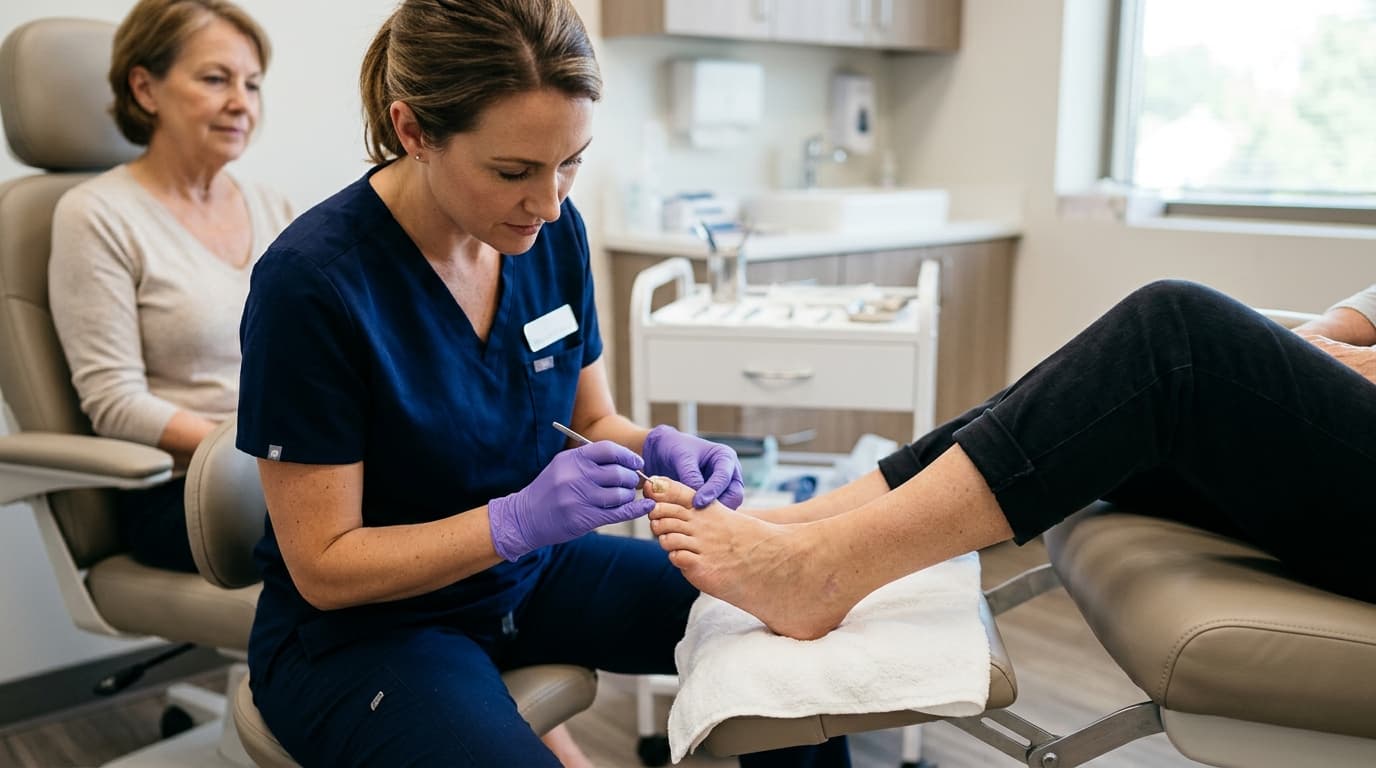
Knowing when to stop self-treating is the most important part of this guide. For an otherwise healthy person with a mild, painless fungal nail, careful foot care and a pharmacy product, given plenty of time, are a reasonable starting point. But you should see a health professional if the infection is severe, spreading to other nails, painful, causing the nail to lift or separate badly, or simply not improving after a fair trial of self-care. A clinician can also confirm whether it truly is fungus, since look-alike conditions are common and getting the diagnosis right changes everything.
Some situations call for extra caution and earlier advice. If you have diabetes, you should not rely on home remedies for a fungal nail. Diabetes can reduce circulation and sensation in the feet, which means foot problems can worsen quietly and infections can become more serious, so professional foot care and prompt medical input are important. The same caution applies if you have poor circulation, a weakened immune system, or other conditions affecting your feet. Any sign of redness, swelling, warmth, increasing pain, or pus around the nail is a reason to seek care promptly, as it can signal a spreading infection that needs more than nail care. When in doubt, especially in these higher-risk groups, it is always safer to ask a professional than to wait and hope a home remedy works.
The takeaway
Toenail fungus is common, slow to clear, and genuinely stubborn, and being honest about that is the most useful thing this guide can offer. Home remedies for toenail fungus, from tea tree oil to vinegar soaks and mentholated rubs, are popular, but the human evidence behind them is limited, and none should be relied on as a cure for an established infection. Where self-care truly helps is in the basics and in prevention: keeping feet clean and thoroughly dry, wearing clean socks and breathable shoes, trimming nails carefully with clean tools, not sharing towels and footwear, and protecting your feet in communal areas. Over-the-counter antifungal products from a pharmacy are a more evidence-based option for milder cases, but they need months of consistent use. When home care is not enough, medical treatments exist, decided by a professional based on your situation. Above all, watch the red flags. Pain, spreading, a nail lifting badly, no improvement over time, and especially any fungal nail in someone with diabetes or poor circulation, all mean it is time to see a doctor rather than keep relying on home remedies. Patience, realistic expectations, and good foot care will serve you far better than any single miracle fix.
Frequently asked questions
Can home remedies actually cure toenail fungus?
Honestly, the evidence is limited. Fungal nail infections are stubborn because the fungus sits between the nail and the nail bed, and the nail grows slowly, so anything applied to the surface struggles to reach it. Good foot care habits and over-the-counter pharmacy products may help mild cases or stop the spread, but many infections do not clear without medical treatment. Think of home care as support and prevention rather than a guaranteed cure, and see a health professional if it is not improving.
Does tea tree oil work for toenail fungus?
Tea tree oil is often described as having antifungal properties, and some people apply it to the nail. The honest answer is that the evidence in humans is limited and not strong, so it should not be relied on as a standalone cure for an established infection. It may, at best, be a minor supportive measure. If you want to try it, it is sensible to check with a health professional first, especially if you have diabetes or sensitive skin, and to stop if it causes irritation.
How long does it take to get rid of toenail fungus?
A long time, which surprises most people. Even when treatment is working, the infected part of the nail does not turn healthy. You have to wait for a brand new, clear nail to grow out from the base, and a toenail can take many months to a year or more to grow fully. This is why patience is essential and why stopping treatment too early is a common reason infections seem to come back.
What home habits actually help with toenail fungus?
The basics matter more than any single remedy. Keep your feet clean and dry, especially between the toes, and dry them well before putting on socks and shoes. Wear clean socks every day, choose well-fitting shoes that let your feet breathe, and avoid footwear that makes your feet sweaty. Keep nails trimmed short and straight across, use clean clippers, and wear flip-flops in communal showers and changing rooms. These habits support recovery and help prevent spread.
Do vinegar soaks get rid of toenail fungus?
Vinegar foot soaks are a popular home remedy, but strong evidence that they clear an established fungal nail infection is lacking. At most they are a mild measure, and they will not fix a stubborn infection on their own. If you try soaks, keep them gentle, dry your feet thoroughly afterward, and do not expect them to replace proper treatment. People with diabetes or circulation problems should check with a health professional before soaking their feet.
Does Vicks VapoRub help toenail fungus?
Applying mentholated rubs to nails is a widely shared tip online, but it is not a proven treatment, and the evidence is limited. Some people report it makes the nail look better, which may reflect the slow natural process or other factors. It is reasonable to be skeptical of folk remedies that go viral. If an infection bothers you or is spreading, a conversation with a pharmacist or doctor is more reliable than home tricks.
Can I treat toenail fungus with products from the pharmacy?
Often yes for milder cases. Pharmacies sell antifungal nail treatments, such as medicated lacquers, that are applied to the affected nail over many months. A pharmacist can advise you on what is suitable. These need consistent use and a lot of patience, and they work best on infections that are not too advanced. If pharmacy treatment does not help after a fair trial, a doctor can assess whether stronger options are appropriate. This article does not give doses.
When should I see a doctor about toenail fungus?
See a health professional if the infection is severe, spreading to other nails, painful, or not improving with self-care and pharmacy products. You should be more cautious and seek advice sooner if you have diabetes, poor circulation, a weakened immune system, or any redness, swelling, or pus around the nail. A doctor can confirm it really is fungus (other conditions look similar) and discuss treatment. This guide is educational and does not replace personal medical advice.
Why is toenail fungus more serious if I have diabetes?
People with diabetes can have reduced circulation and reduced sensation in the feet, so foot problems can develop and worsen without being noticed, and infections can become more serious. For this reason, anyone with diabetes should not rely on home remedies for a fungal nail and should seek professional foot care and medical advice early. Any sign of redness, pain, swelling, or pus around a toenail needs prompt attention.
Is toenail fungus contagious?
Fungal nail infections can spread, both to your other nails and skin and potentially to other people through shared items. That is why it helps not to share towels, socks, shoes, or nail clippers, to wear flip-flops in communal showers and pools, and to keep your feet clean and dry. Treating any athlete's foot you have is also sensible, since foot fungus and nail fungus are closely linked.
Can toenail fungus come back after it clears?
Yes, recurrence is common, which is part of what makes it frustrating. Even after a nail looks healthy again, the fungus can return, especially if the habits that allowed it in the first place have not changed. Keeping feet dry, rotating and airing out shoes, wearing clean socks, and using good nail care all help reduce the chance of it coming back. Some people benefit from ongoing preventive care advised by a professional.
Do I need to treat toenail fungus at all?
Not every fungal nail must be treated. If it does not bother you and you have no risk factors, some people choose to manage it with good foot care alone. However, it rarely clears on its own, it can spread, and it can be uncomfortable or affect appearance. If you have diabetes, circulation problems, pain, or it is getting worse, treatment is more important. A health professional can help you decide what makes sense for you.
Author
Equipe Editorial GuiaDeSaude
The GuiaDeSaude Editorial Team researches and writes content from recognized medical sources (PubMed, Ministry of Health, WHO, Mayo Clinic, among others). All information is checked against at least two sources before publication.