Low MCV Blood Test: What Small Red Blood Cells Can Mean
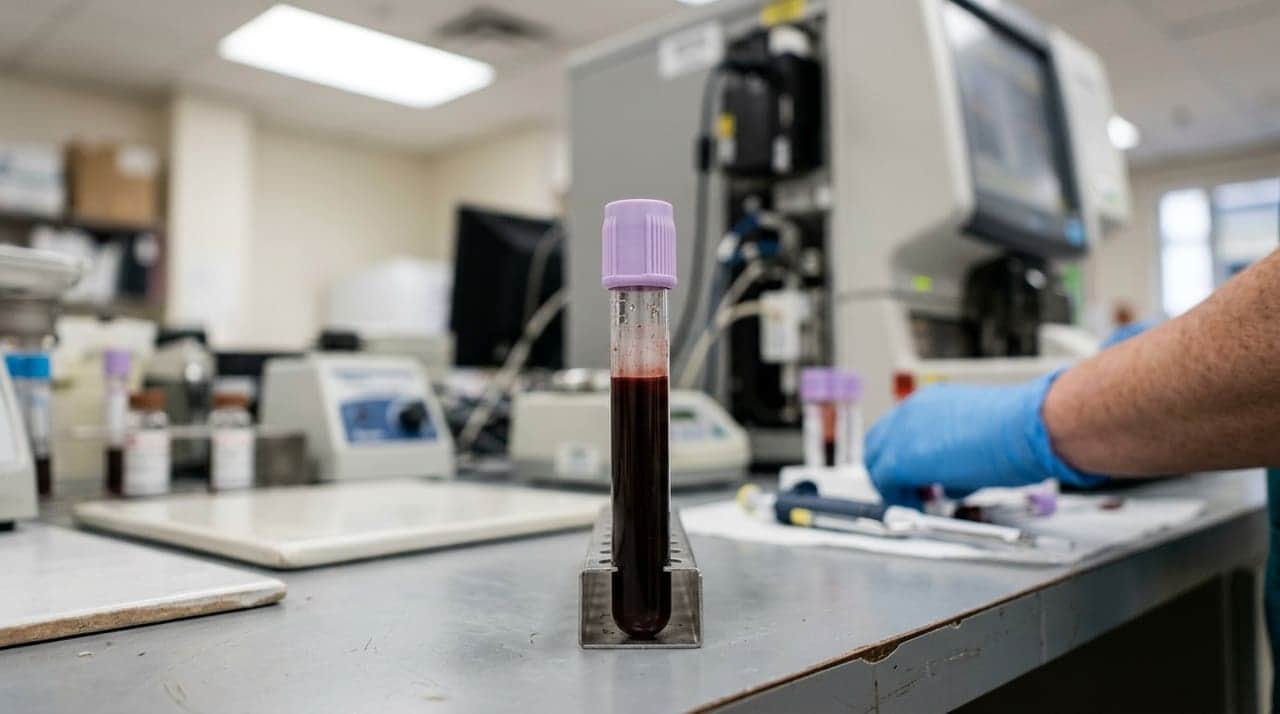
Seeing a value flagged as low on a blood report can be unsettling, and MCV is one of those numbers that often catches people by surprise. A low MCV blood test result is shorthand for a simple idea: on average, your red blood cells are smaller than expected. The letters stand for mean corpuscular volume, and in some countries the very same measurement is printed as VGM. By itself, a low MCV is a description of cell size, not a verdict about your health.
This guide walks through what MCV actually measures, where it sits inside the complete blood count, and what the general reference range looks like. It explains in plain terms what microcytosis means, the common reasons red cells can run small, and why this single number is always read alongside others such as MCH, MCHC, RDW, and ferritin. It also covers what usually happens after a low result and when it makes sense to talk to a doctor. Everything here is educational and does not replace a health professional, who is the only one able to interpret your numbers against your full history.
What MCV is and where it appears
MCV, or mean corpuscular volume, measures the average size of your red blood cells. Red cells are the disc shaped cells that carry oxygen around the body, and their size offers a useful clue about how they are being made and whether they are filled with enough hemoglobin. The result is given in femtoliters, a tiny unit of volume, so a typical value is a number in the range of dozens rather than something familiar from everyday life.
You will almost never see MCV ordered on its own. It is calculated as part of a complete blood count, the common panel that counts and describes the different cells in your blood. In some countries and on some lab systems the same measurement appears under the label VGM, which means exactly the same thing. So if your report shows a low VGM, read it the way you would read a low MCV.
Because it sits inside the blood count, MCV is one piece of a larger map. It belongs to a small group of measurements called the red blood cell indices, which describe the size, hemoglobin content, and uniformity of your red cells. That grouping matters, because the indices are designed to be read together rather than one at a time.

The reference range and what low MCV means
Lab reports usually print a reference range next to each value so you can see where your result falls. For MCV, a commonly cited adult range runs from about 80 to 100 femtoliters, and a result below roughly 80 is often described as low. These numbers are a general guide only. Ranges are not universal: they shift with the laboratory, the analyzer used, and factors such as age and sex. The range printed on your own report is the one that counts.
When MCV falls below the usual range, the medical word for it is microcytosis, which simply means small cells. The mirror image, larger than usual cells, is called macrocytosis. A low MCV tells you that, on average, your red blood cells are smaller than expected, and it often travels with cells that carry less hemoglobin, which can make a blood smear look paler under the microscope.
It helps to separate two ideas that are easy to blur. Cell size and anemia are not the same thing. Anemia refers to having too little hemoglobin or too few red cells, while MCV describes how big those cells are. The two frequently appear together, as in microcytic anemia, but a low MCV on its own is a description, not an automatic diagnosis of anemia. That distinction is one reason the number is never judged in isolation.
Common reasons MCV can be low
Several different situations can leave red blood cells smaller than usual, and it is worth stressing that these are possibilities a doctor weighs, not labels you can apply to yourself from a single number. The most common reason is low iron. Iron is an essential building block of hemoglobin, so when stores run low the body tends to produce smaller, paler cells. Low iron can come from diet, from conditions that reduce absorption, or from ongoing blood loss such as heavy menstrual periods or bleeding in the digestive tract.
An inherited trait called thalassemia is another well known cause. In this group of conditions the body makes hemoglobin a little differently, and people may carry a normal or even higher number of red cells that are individually small and contain less hemoglobin. A thalassemia trait is often lifelong and stable, which is part of why earlier blood counts and family history can be so informative.
Certain long term conditions can also play a role. Ongoing inflammation from chronic illnesses, including some autoimmune diseases, persistent infections, kidney disease, and other conditions, can affect how red cells are produced and sometimes nudges them smaller. Less commonly, other exposures are considered as well. Across all of these, the takeaway is the same: a low MCV opens a list of questions rather than answering them.
How MCV is read together with other values
The real meaning of a low MCV emerges only when it is read next to its neighbors on the blood count. MCV alone does not provide enough information for a diagnosis, which is why the red blood cell indices are interpreted as a set. Each one adds a different angle on the same red cells.
MCH, mean corpuscular hemoglobin, describes the average amount of hemoglobin inside each cell, and MCHC, mean corpuscular hemoglobin concentration, describes how concentrated that hemoglobin is. When cells are small they often hold less hemoglobin, so MCV and MCH frequently move in the same direction. RDW, the red cell distribution width, measures how varied your red cells are in size. A high RDW alongside a low MCV suggests the cells are not only small but also uneven, while a low MCV with a more uniform RDW can point in a different direction. Doctors use these patterns to tell similar looking situations apart.
Beyond the blood count, iron related tests fill in more of the picture. Ferritin, which reflects the body's iron stores, is one of the values a doctor may look at to judge whether low iron is part of the story. Reading hemoglobin, the indices, RDW, and ferritin together gives a far more reliable read than any single number, and it is this combined view, not the MCV line by itself, that guides what comes next. If you want to understand the wider panel your MCV lives in, our overview of the complete blood count explains how the pieces fit, and a similar logic of reading values in context applies to tests like creatinine versus creatine and even hormone checks such as how to test cortisol levels.

What usually happens next
After a low MCV, the next steps depend on the rest of your results, your symptoms, and your history, and they are decided by a health professional rather than by the number alone. Often the first move is simply to look more carefully at what is already on the page, comparing MCV with hemoglobin, MCH, MCHC, and RDW to see what pattern emerges. Earlier blood counts, if you have them, can be especially valuable, because a stable low value over years reads very differently from a new change.
From there a doctor may order follow up tests. Iron related tests such as ferritin are common when low iron is a question. A peripheral blood smear, in which a drop of blood is examined under a microscope, lets a specialist look directly at the shape and color of the cells. In some situations, tests that look at the types of hemoglobin you make are considered, particularly when an inherited trait is on the list of possibilities. Sometimes the blood count is simply repeated to confirm the finding.
None of these steps involve self treatment, and that point is worth underlining. It can be tempting to start an iron supplement after seeing a low result, but iron is only helpful when low iron is actually the cause, and taking it unnecessarily can cause its own problems. The same caution applies to other choices: questions about vitamin D, everyday hydration, foods such as those that are high in phosphorus, or any course of antibiotics belong in a conversation with your doctor, not a decision made from one lab line.
When to talk to a doctor
The clearest reason to reach out is simple: a value outside your lab's range deserves a professional's eyes. That is even more true if a low MCV comes with symptoms that can accompany small or low hemoglobin red cells, such as unusual tiredness, paleness, shortness of breath, or a fast heartbeat. Ongoing blood loss, whether from heavy periods or the digestive tract, is another reason to seek advice promptly rather than waiting.
It also helps to bring context to the appointment. Earlier blood counts, a sense of your usual energy levels, your diet, any family history of blood traits, and a list of medicines or supplements you take all give the doctor more to work with. Many causes of a low MCV are manageable once identified, and several are entirely stable traits that need no treatment at all, so the goal of the visit is understanding rather than alarm. Symptoms like a persistent headache or feeling run down during a bout of the flu are usually unrelated, but mentioning everything you have noticed gives the fullest picture. For readers focused on broader wellbeing, general topics like foods for prostate health sit in the same spirit of informed, doctor guided care.
Summary
A low MCV blood test result means that, on average, your red blood cells are smaller than expected, a finding doctors call microcytosis and that some reports label as low VGM. MCV is a single value inside the complete blood count, sitting among the red blood cell indices, and a common general reference range runs from about 80 to 100 femtoliters, with the figures on your own report being the ones that matter.
On its own, a low MCV is a clue rather than a conclusion. Common possibilities include low iron, an inherited trait such as thalassemia, and certain long term conditions, but the meaning only becomes clear when MCV is read together with hemoglobin, MCH, MCHC, RDW, and ferritin. Follow up usually means looking more closely at these values, sometimes with extra tests, and never self treatment. If your result is out of range or comes with symptoms, talk to a doctor, who can interpret the full picture for you. This article is educational and does not replace a health professional.
Frequently asked questions
What does a low MCV blood test mean?
A low MCV means your red blood cells are, on average, smaller than usual, a finding called microcytosis. It is a clue, not a diagnosis. Several different situations can make red cells smaller, so the number is read together with other blood values and your medical history before anyone draws a conclusion. A doctor decides what, if anything, it points to in your case.
What is MCV in a blood test?
MCV stands for mean corpuscular volume. It measures the average size of your red blood cells and is one of the values inside a complete blood count. In some countries the same measurement is labeled VGM on the report. It is reported in femtoliters, a very small unit of volume, and it helps describe whether red cells are small, normal, or large.
What is the normal range for MCV?
As a general guide, a common adult reference range is about 80 to 100 femtoliters, with a result below roughly 80 often described as low or microcytic. Ranges are not universal. They vary by laboratory, by the equipment used, and by factors such as age and sex. The most reliable comparison is the range printed on your own report, read by a doctor.
Is a low MCV always a sign of anemia?
Not always. A low MCV describes cell size, while anemia describes having too little hemoglobin or too few red cells. The two often appear together, as in microcytic anemia, but it is possible to have smaller cells without classic anemia. This is exactly why MCV is interpreted alongside hemoglobin and other values rather than on its own.
What can cause a low MCV?
Common possibilities include low iron stores, an inherited trait such as thalassemia, and some long term conditions that involve ongoing inflammation. Less commonly, other exposures are considered. These are general possibilities, not a diagnosis. The pattern across the whole blood count, plus follow up tests like ferritin, helps a doctor narrow down the reason.
What is the difference between MCV and MCH?
MCV is the average size of red blood cells, while MCH, mean corpuscular hemoglobin, is the average amount of hemoglobin inside each cell. They often move in the same direction when cells are small and carry less hemoglobin. Reading them together, along with MCHC and RDW, gives a fuller picture than either number alone.
What does low MCV mean if my iron is normal?
Smaller red cells with normal iron stores can prompt a doctor to think about other explanations, such as an inherited trait that affects hemoglobin. The combination of values, including ferritin and RDW, and sometimes additional tests, helps tell these situations apart. Only a health professional can interpret this mix for you.
Does VGM mean the same as MCV?
Yes. VGM is the abbreviation used in several languages for the same measurement, the mean corpuscular volume. If your report shows VGM with a result below the listed range, it carries the same meaning as a low MCV, namely red blood cells that are smaller than expected on average.
What tests are usually done after a low MCV?
Depending on the situation, a doctor may look more closely at iron related tests such as ferritin, repeat the blood count, examine a blood smear, or consider tests that look at hemoglobin types. The aim is to understand why the cells are small. Which tests are chosen depends on your symptoms, history, and the overall pattern of results.
Can a low MCV be normal for me?
Sometimes a mildly low MCV reflects a stable, lifelong trait rather than a new problem, which is why doctors value previous results and trends. A single value out of range is not automatically a cause for alarm. The way to know is to have a health professional compare it with your history and any earlier blood counts.
When should I see a doctor about a low MCV?
Speak with a doctor whenever a result falls outside your lab's range, especially if you also feel tired, short of breath, or unusually pale, or if you have ongoing blood loss. Bring any earlier blood counts if you have them. A professional can decide whether to repeat the test, add others, and interpret everything together. This article is general information, not a diagnosis.
References
- MCV (Mean Corpuscular Volume): MedlinePlus Medical Test (U.S. National Library of Medicine)
- Mean Corpuscular Volume (MCV) Blood Test (Cleveland Clinic)
- Microcytosis: Causes, Symptoms and Treatment (Cleveland Clinic)
- Red Blood Cell (RBC) Indices: MedlinePlus Medical Test (U.S. National Library of Medicine)
Author
Equipe Editorial GuiaDeSaude
The GuiaDeSaude Editorial Team researches and writes content from recognized medical sources (PubMed, Ministry of Health, WHO, Mayo Clinic, among others). All information is checked against at least two sources before publication.