How Long Does Sperm Survive Outside the Body? Facts on Sperm Lifespan

Few questions cause as much quiet worry as how long sperm survive once they leave the body. The honest, reassuring answer is that outside the body, sperm are fragile and short-lived. Once semen is exposed to open air and begins to dry, the sperm inside it die quickly, often within minutes and almost always within about an hour. Sperm are living cells that depend on warmth, moisture and the protective fluid of semen to stay alive, and a dry surface, cool air or ordinary water strips away everything they need.
That short outside lifespan stands in sharp contrast to what happens inside the female reproductive tract, where conditions are warm, stable and protected, and sperm can survive for several days. Understanding this difference is the key to separating real pregnancy risk from the many myths that circulate about toilet seats, swimming pools and dried stains. This guide lays out the facts in plain language, covers sperm survival in different conditions, explains what it means for conception, and points to when a fertility or contraception question is worth taking to a doctor. It is educational and does not replace advice from a qualified health professional.
The quick answer: sperm survival outside the body
If you want the short version, here it is. Outside the body, sperm survive only briefly. In a warm and moist setting at room temperature, around 68 degrees Fahrenheit (20 degrees Celsius), sperm may last up to roughly an hour. In real life, though, semen left on skin, sheets, a towel or any surface starts to dry almost immediately, and as it dries the sperm die much faster than that upper limit suggests, frequently within a few minutes.
The reason is simple biology. Sperm are delicate cells built to travel through a warm, fluid-filled environment, not to sit in the open. Air, evaporation, changes in temperature and contact with everyday materials all work against them quickly. So when people ask how long sperm survive outside the body, the accurate takeaway is, not long at all, and once the fluid has dried, not at all. Keep that contrast in mind as we look at what happens inside the body, where the numbers are very different.
How long sperm lives inside the body
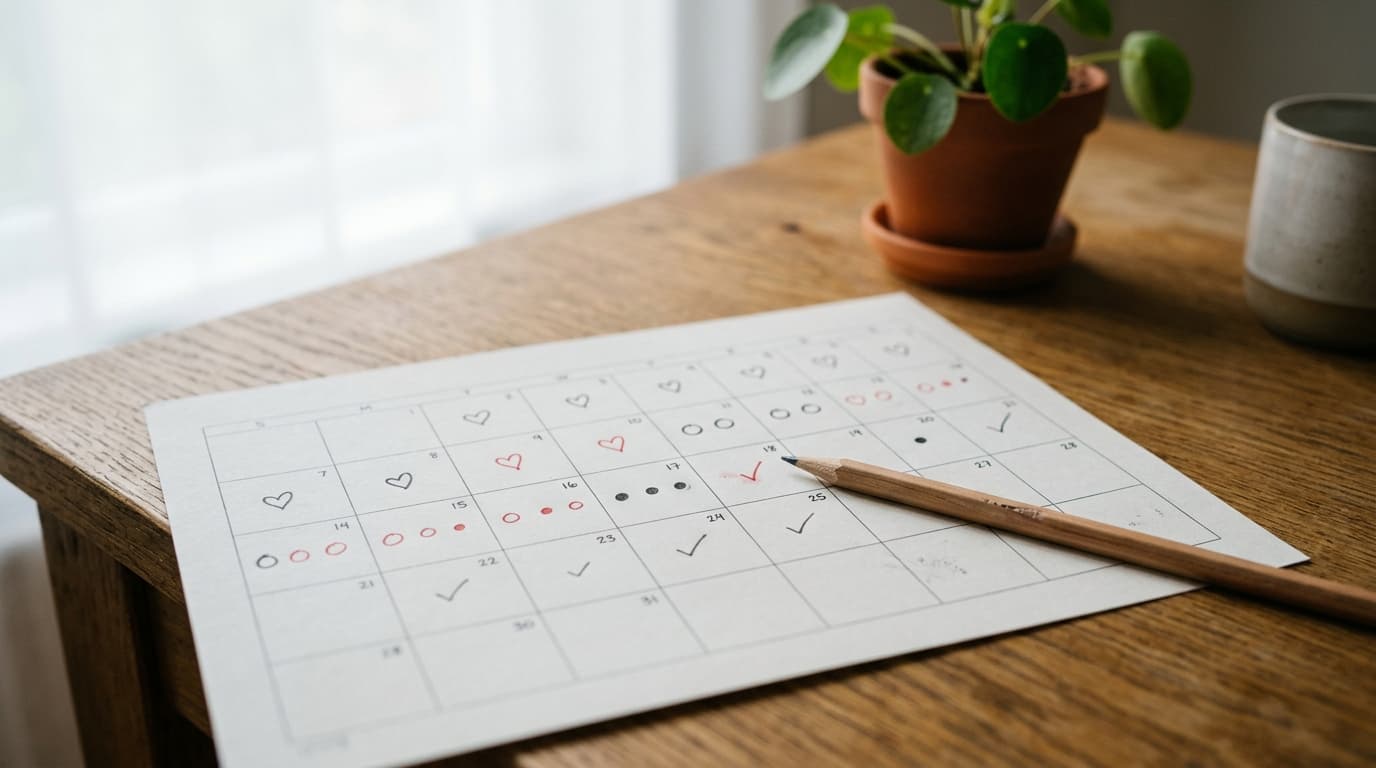
Inside the female reproductive tract, sperm survive far longer than they ever could in the open. After reaching the cervix, sperm can live within the cervix, uterus and fallopian tubes for up to about five days, with three to five days being the range most often cited. The warm, protected, fluid-rich environment is exactly what these cells evolved to move through, which is why their lifespan jumps from minutes outside to days inside.
This longer survival has a clear purpose. An egg, once released at ovulation, lives only about 12 to 24 hours before the body reabsorbs it. If conception depended on sperm and egg meeting in that narrow window alone, the odds would be slim. Because sperm can wait in the fallopian tubes for several days, sperm released before ovulation can still be present and viable when the egg arrives. In other words, the long inside lifespan of sperm is what makes a multi-day fertile window possible at all. Sperm health over time is shaped by many of the same lifestyle factors discussed for foods for prostate health and broader men's wellness.
Sperm outside the body: open air, dry surfaces, water and baths
Now to the situations people worry about most. On open air and dry surfaces, sperm fare poorly. Semen on skin, bedding, a towel or clothing begins to dry quickly, and once it has dried, the sperm are no longer alive. Dried semen cannot cause pregnancy, full stop. This is why a dried spot on sheets or fabric is not a pregnancy risk, even though the stain may still be visible. Visible does not mean viable.
Warm water, a bath or a hot tub is another common source of confusion. Sperm do not survive well in water. Bath and pool water is not the warm, chemically balanced, protected environment sperm need, and substances like soap, chlorine and the simple dilution of water kill or scatter them fast. Just as importantly, sperm cannot swim across open water to find and enter a body. The notion of becoming pregnant from sperm floating in a shared bath or pool is a myth, because by the time any sperm dispersed in water, they would be dead and unable to travel anywhere useful. Staying well hydrated supports your overall health for other reasons, as covered in our guide to hydration, but water is no friend to stray sperm. The one genuine exception to all of this is direct contact, where fresh, live semen touches the vaginal opening before it has had any chance to dry, since live sperm in that position can still travel inside.
What this means for pregnancy risk and common myths
Putting the facts together makes pregnancy risk much easier to judge. The realistic risk is not from dried stains, toilet seats, swimming pools or shared bathwater. It comes from fresh, live semen having direct contact with the vaginal area, because only then can living sperm enter the body and reach the long-survival environment inside. Indirect, casual contact with dried or water-diluted semen does not lead to pregnancy, because the sperm involved are no longer alive.
A few persistent myths are worth retiring directly. You cannot get pregnant from a toilet seat, because any sperm there would already be dried and dead. You cannot get pregnant from a swimming pool or hot tub, for the water reasons above. Touching a dried spot and then touching yourself is not a realistic route to pregnancy. On the other hand, it is true that pregnancy can result from contact that does not involve full intercourse, if fresh semen reaches the vaginal opening, and it is true that the pull-out approach is unreliable, partly because fluid released before ejaculation can contain sperm. The sensible rule is that live, fresh semen in direct genital contact carries real risk, while sperm that have dried out or been diluted in water do not. Hormonal and stress factors can affect the broader picture of reproductive and sexual health, which is why some people look into related topics such as premenstrual syndrome or how to test cortisol levels when cycles or wellbeing feel off.

What affects sperm health and survival
It helps to separate two different ideas. One is how long an individual sperm survives once it is outside the body, which we have seen is very short. The other is the overall health and quality of sperm a man produces, which is shaped over months by lifestyle and medical factors. Temperature links the two. Sperm are heat-sensitive, which is why prolonged heat to the testicles, from frequent saunas, hot tubs or long hours sitting, can reduce sperm production and quality over time, and why outside the body, conditions that are too hot or too cold kill sperm quickly.
Beyond heat, several factors influence sperm health. Certain lifestyle factors, certain medications and hormone or testosterone therapy, some sexually transmitted infections, and physical issues affecting the testicles can all lower sperm count or quality. Everyday habits matter too, since poor diet, lack of activity, excess weight and ongoing stress are linked with weaker results. The encouraging part is that many of these are within your control, and the same balanced, mostly plant-forward eating and active lifestyle recommended for general health support sperm health as well. Nutrients such as vitamin D are part of broad nutrition, and general wellness habits that help with concerns like hair loss tend to support reproductive health too. None of these factors changes the basic rule that sperm outside the body die fast, but they do shape the quality of sperm produced in the first place.
When to see a doctor about fertility or contraception
For most everyday worries about stray sperm and pregnancy risk, the facts above are reassuring on their own. There are, however, good reasons to bring questions to a professional rather than rely on guesswork. If you and a partner have been trying to conceive without success over a reasonable period, a doctor or fertility specialist can look into both partners and offer practical guidance, including how sperm health and timing fit your situation. If you are unsure which contraception is reliable for you, a clinician can explain the realistic effectiveness of different options far better than rumour or trial and error.
It is also wise to check in if you notice symptoms that may affect reproductive health, such as pain, swelling or changes in the testicles, signs of a possible infection, or concerns after an illness. Some infections can affect fertility and may need specific treatment such as antibiotics, while general illnesses like the flu can temporarily affect how you feel and function. A doctor may also use routine tests, for example a complete blood count, as part of a wider health picture, and ongoing tiredness or a lingering headache alongside other symptoms is always worth mentioning. Timely advice gives you the most options and the clearest answers.
Summary
How long does sperm survive outside the body comes down to a simple contrast. Outside, sperm are fragile and short-lived, lasting up to about an hour in warm, moist conditions and dying within minutes once semen dries on a surface, in open air, or when diluted in water like a bath, pool or hot tub. Dried or water-diluted sperm are not alive and do not cause pregnancy, which retires most of the common myths about toilet seats, shared baths and old stains.
Inside the female reproductive tract, the story flips, with sperm surviving up to about five days in a warm, protected environment, which is what creates a fertile window spanning several days around ovulation. Real pregnancy risk comes from fresh, live semen in direct genital contact, not from indirect or dried exposure. Sperm health over time is shaped by heat, lifestyle and medical factors you can often influence. For specific fertility or contraception questions, see a doctor, since this article is educational and does not replace advice from a qualified health professional who knows your situation.
Frequently asked questions
How long does sperm survive outside the body?
Outside the body, sperm survive only a short time. In a warm, moist setting at room temperature they may last up to about an hour, but in practice, once semen is exposed to open air and starts to dry, the sperm die much faster, often within minutes. Sperm need warmth, moisture and the protective fluid of semen to stay alive, and a dry surface offers none of that.
How long can sperm live inside the body?
Inside the female reproductive tract, sperm survive far longer than outside it. They can live for up to about five days, and some sources cite a range of three to five days, within the cervix, uterus and fallopian tubes. This longer survival is why the fertile window spans several days and not just the day of ovulation.
Can sperm survive on dry surfaces, sheets or clothing?
Once semen dries on skin, sheets, a towel or clothing, the sperm are no longer alive and cannot cause pregnancy. Drying removes the warmth and moisture sperm depend on, so dried semen poses no pregnancy risk. Wet, fresh semen in direct contact with the vaginal opening is a different situation.
Can sperm survive in water, a bath or a hot tub?
Sperm do not survive well in water. Warm bath water, a hot tub or a swimming pool contains chemicals, temperature changes and is not the warm, protected environment sperm need, so sperm released into water die quickly. The idea of becoming pregnant from sperm floating in bath or pool water is a myth, because sperm cannot swim through water to reach and enter the body.
Can you get pregnant from sperm outside the body?
Pregnancy from dried sperm or sperm in water is extremely unlikely, because the sperm are no longer alive. The realistic risk comes when fresh, live semen has direct contact with the vaginal area, since live sperm can then travel inside, where they survive for days. Casual indirect contact, such as touching a dried spot, does not lead to pregnancy.
How long do sperm survive after ejaculation?
It depends entirely on where they are. After ejaculation outside the body, sperm survive minutes to about an hour at most as the semen dries. After ejaculation inside the female reproductive tract, sperm can survive up to about five days, which is why timing around ovulation matters for conception.
Does temperature affect how long sperm survive?
Yes. Sperm are sensitive to temperature. Room temperature around 68 degrees Fahrenheit (20 degrees Celsius) lets sperm survive briefly outside the body, while hotter or colder conditions kill them faster. Inside the body, the warm, stable environment of the reproductive tract is what allows survival of several days.
Can frozen sperm survive a long time?
Yes, but only under controlled medical conditions. In a fertility clinic, sperm can be frozen and stored for years or even decades while remaining viable, because the freezing process is carefully managed. This is completely different from sperm exposed to everyday cold, which does not preserve them.
What is the fertile window and how does sperm lifespan relate to it?
The fertile window is the span of days when intercourse can lead to pregnancy. Because sperm can survive several days inside the body while an egg lives only about 12 to 24 hours after ovulation, the window runs from roughly five days before ovulation to about one day after. Sperm waiting in the fallopian tubes can fertilise an egg once it is released.
What kills sperm quickly?
Sperm die quickly when they lose warmth and moisture, so drying out, open air, soap, many chemicals, and water that is too hot or too cold all kill them fast. This is why sperm outside the body have such a short lifespan compared with sperm inside the protected reproductive tract.
What affects sperm health overall?
Sperm production and quality can be affected by prolonged heat to the testicles, certain lifestyle factors, certain medications and hormone therapy, some infections, and factors like poor diet, inactivity and ongoing stress. These influence sperm health over time, which is separate from how long an individual sperm survives once outside the body.
Should I see a doctor about fertility or contraception questions?
Yes, if you have questions or concerns. For couples trying to conceive without success after a reasonable time, or for anyone unsure about reliable contraception, a doctor or fertility specialist can give advice based on your situation. This article is educational and is not a substitute for personalised medical care.
Author
Equipe Editorial GuiaDeSaude
The GuiaDeSaude Editorial Team researches and writes content from recognized medical sources (PubMed, Ministry of Health, WHO, Mayo Clinic, among others). All information is checked against at least two sources before publication.