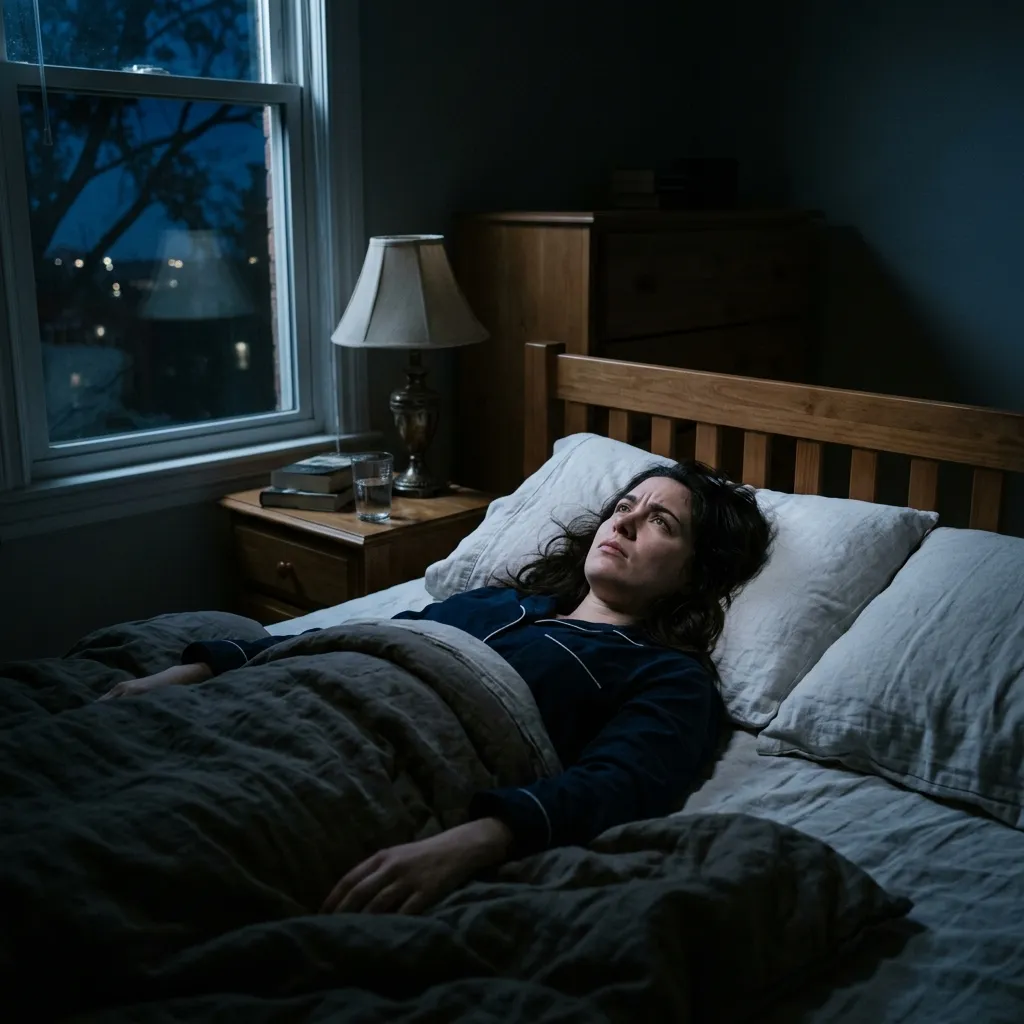
Ocular Migraine Symptoms: Visual Aura, Flickering Lights, and When to Worry
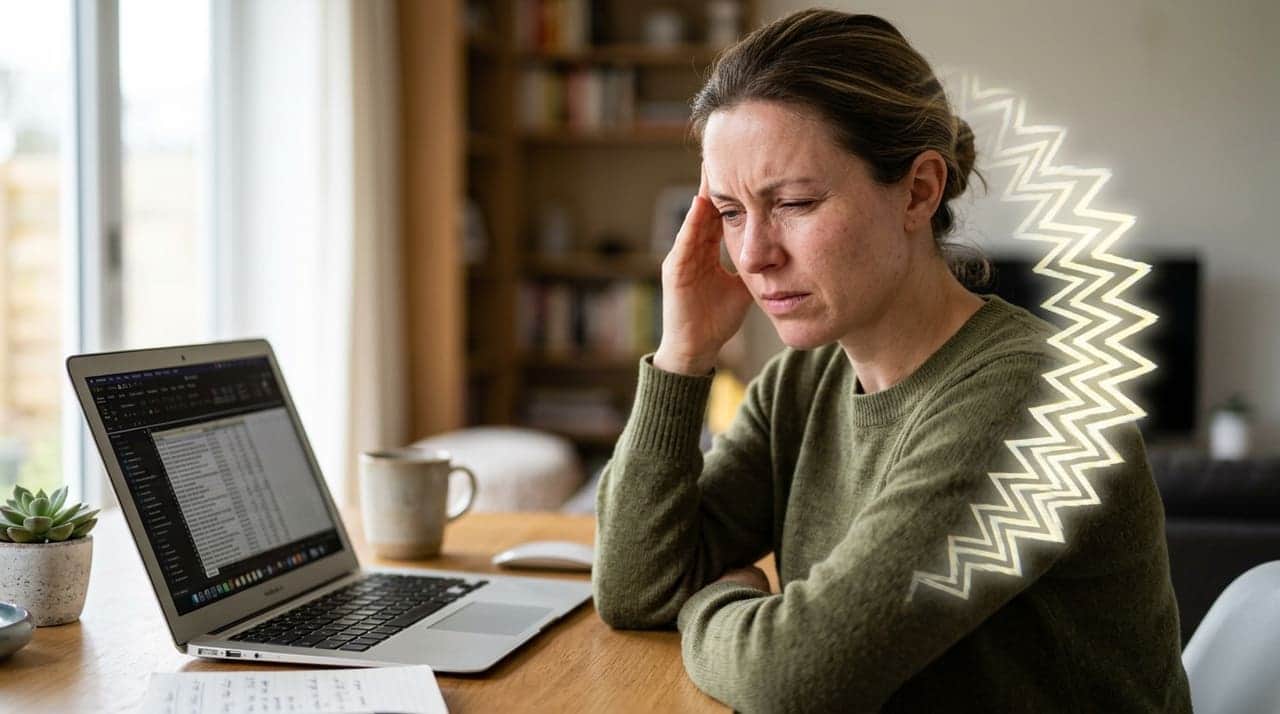
An ocular migraine often arrives without warning. One moment your vision is normal, and the next a small shimmering patch appears, edged with flickering or zigzag lines, slowly spreading or drifting across what you are looking at. For many people it is unsettling the first time it happens, especially when the disturbance shows up before any headache. The good news is that this kind of visual episode is common, usually short-lived, and on its own is generally not dangerous. The harder part is that the same words get used for a few different things, which is exactly why understanding ocular migraine symptoms is worth a few minutes of your time.
This guide explains what people mean by ocular migraine, the typical visual symptoms and how long they last, the other symptoms that can come with them, and the common triggers. It also draws a clear line between a routine visual aura and the rarer situation that needs prompt attention, and it lists the red flags that should send you for an urgent check. It draws on established medical guidance, and it is educational only. Nothing here replaces a consultation with a qualified health professional, who is the only person able to examine you and tell you what is actually going on.
What an ocular migraine is and the terms used
The phrase ocular migraine is used loosely, and that is the first thing to understand. In everyday use it is an umbrella term for a migraine that comes with visual disturbances, such as flashing lights, blind spots, zigzag lines, or seeing stars, sometimes with a headache and sometimes without one. Most often, what people are describing is a migraine with visual aura, which is a wave of temporary visual changes that affects vision in both eyes.
Visual aura is the most familiar form of migraine aura. Around a quarter to a third of people who get migraines experience aura at some point, and the visual kind is by far the most common. It is thought to come from a brief wave of altered electrical activity moving slowly across the part of the brain that handles vision, which is why the symptoms tend to spread and then fade over a matter of minutes. Because it involves both eyes, you usually still see the disturbance even if you cover one eye.
A retinal migraine is a different and much rarer situation. Here the visual symptoms, which can include flickering, dimming, or a temporary loss of vision, affect one eye only and tend to be more intrusive. Telling a retinal migraine apart from a migraine with aura can be difficult, and because vision changes in a single eye can also point to other conditions, this is one of the situations where a professional assessment matters most. A simple way to remember the difference is that aura usually involves both eyes, while a retinal migraine centers on one.
The typical visual symptoms and how long they last
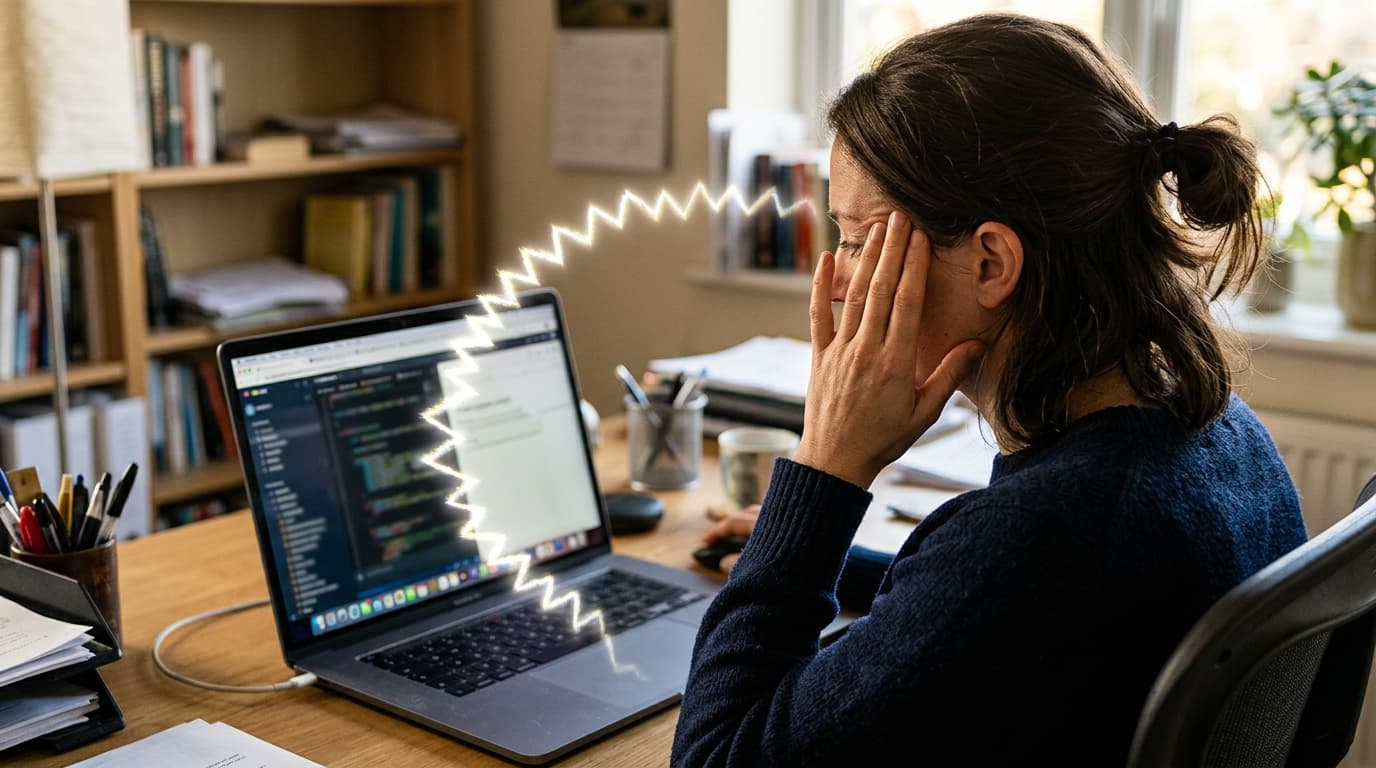
The hallmark of an ocular migraine is the visual symptom itself. People most commonly describe shimmering or flickering lights, zigzag or wavy lines, and flashing or twinkling points of light. Many also notice a blind spot, an area of missing or blurred vision that can sit in the center or off to one side, and that often drifts or grows before it clears. Some describe a bright, jagged arc, sometimes shaped like a crescent, that slowly expands across the field of view. These changes can appear in one side of your vision rather than spread evenly.
A few features help distinguish a migraine aura from other visual problems. The symptoms usually build up gradually over a few minutes rather than appearing instantly, they tend to move or change shape, and then they fade and vision returns to normal. This evolving pattern is part of why the aura feels different from a sudden, fixed loss of vision. Importantly, the visual disturbance is temporary, and afterward sight returns to how it was before.
Timing is one of the most reassuring parts of the picture. The visual aura is usually brief, commonly lasting somewhere between 5 and 60 minutes and often clearing within about 10 to 20 minutes. As a general rule, aura should not last longer than an hour at a time. When a headache follows, it can persist much longer, from a few hours up to a few days. If your visual symptoms regularly run beyond an hour, or feel very different from your usual pattern, that is a signal to seek advice.
Other symptoms that can come with it
Ocular migraine symptoms rarely travel completely alone. In many people the visual aura is a warning phase that comes just before the headache, which is often a moderate to severe throbbing pain. With a one-eye retinal migraine the pain tends to sit behind the affected eye, while a migraine with aura can bring pain that is more spread out across the head. That said, some people get the aura with little or no headache at all, which is sometimes called a silent or visual migraine.
Around the headache, a familiar cluster of migraine symptoms can appear. These include sensitivity to light, sound, and smells, nausea or vomiting, loss of appetite, and a general feeling of being washed out or fatigued. Some people also notice paleness, sweating or chills. None of these are unique to ocular migraine, but together with the visual aura they form a recognizable pattern that many people come to know well over time.
Aura is not always purely visual either. The same underlying process can sometimes bring other temporary symptoms, such as tingling or pins and needles, numbness, dizziness, or difficulty finding words. When these appear for the first time, or when they are new for you, they deserve careful attention, because some of them overlap with more serious conditions. Persistent trouble sleeping can also make migraines feel worse for some people, so if poor rest is part of the picture it may be worth reading about insomnia and addressing sleep as part of the bigger story, alongside everyday headache habits.
Common triggers
Triggers are the everyday factors that seem to make an episode more likely, and they vary a lot from one person to another. Frequently reported ones include stress, poor or irregular sleep, dehydration, and skipping meals or low blood sugar. Bright or flickering light, glare, and long stretches of screen time also come up often, which is why some people notice symptoms after extended computer use or long drives. Staying well hydrated is a simple foundation worth getting right, and there is more on that in this guide to hydration.
Diet and lifestyle factors feature heavily too. Some people link episodes to aged cheeses, chocolate, caffeine, or certain food additives, while others point to strong smells such as perfume. Hormonal changes, including those around menstruation, hormonal contraception, or menopause, are commonly reported, as are weather and temperature shifts and high altitude. Because the list is long and personal, the most practical approach many people take is keeping a simple headache diary to spot their own patterns.
Recognizing triggers is useful, but it is worth keeping it in perspective. Avoiding a known trigger may reduce how often symptoms appear, yet triggers are not the same as a cause, and not every episode has an obvious one. General healthy habits, such as regular meals, steady sleep, and balanced nutrition with attention to foundations like vitamin D, support overall well-being, but they are supportive measures rather than a guaranteed fix. Decisions about managing frequent migraines belong with a health professional.
Ocular migraine vs more serious causes of vision changes, and red flags
This is the most important section, because the same visual symptoms that point to a harmless aura can occasionally signal something that needs urgent care. Sudden changes in vision should never simply be assumed to be a migraine, especially the first time they happen or when they affect a single eye. Conditions that can cause sudden visual changes include a transient ischemic attack, sometimes called a mini-stroke, and problems within the eye itself, and these need to be ruled out promptly.
Certain warning signs call for emergency help rather than watchful waiting. Seek urgent care if you have weakness or numbness on one side of the body or face, trouble speaking or understanding speech, a sudden severe headache unlike any before, confusion, drowsiness, loss of coordination, or a sudden loss of vision. These can be signs of a stroke or other serious problem, and acting quickly matters. When in doubt, treat sudden, dramatic symptoms as an emergency.
Some red flags are more specific to the eyes and to ocular migraine. Get a prompt assessment if you experience vision loss or dimming in one eye, if visual symptoms last longer than an hour at a time, if you have visual disturbances for the very first time, or if your symptoms change in character or become much more frequent. A first-time episode in particular is worth checking, so that a professional can confirm what is happening rather than leaving it to guesswork. The aim is not to alarm anyone, but to make clear that sudden vision changes earn a careful look.
When to see a doctor and what they may check
For a typical, recognized pattern of visual aura that clears within the hour, many people manage by resting in a calm, dim space until it passes. Even so, it is sensible to see a doctor for a first episode, when symptoms change, when they become more frequent or harder to manage, or whenever you are worried. Sudden vision changes, particularly in one eye, generally warrant a prompt eye assessment. If you are ever unsure whether symptoms are serious, it is always reasonable to seek advice rather than wait.
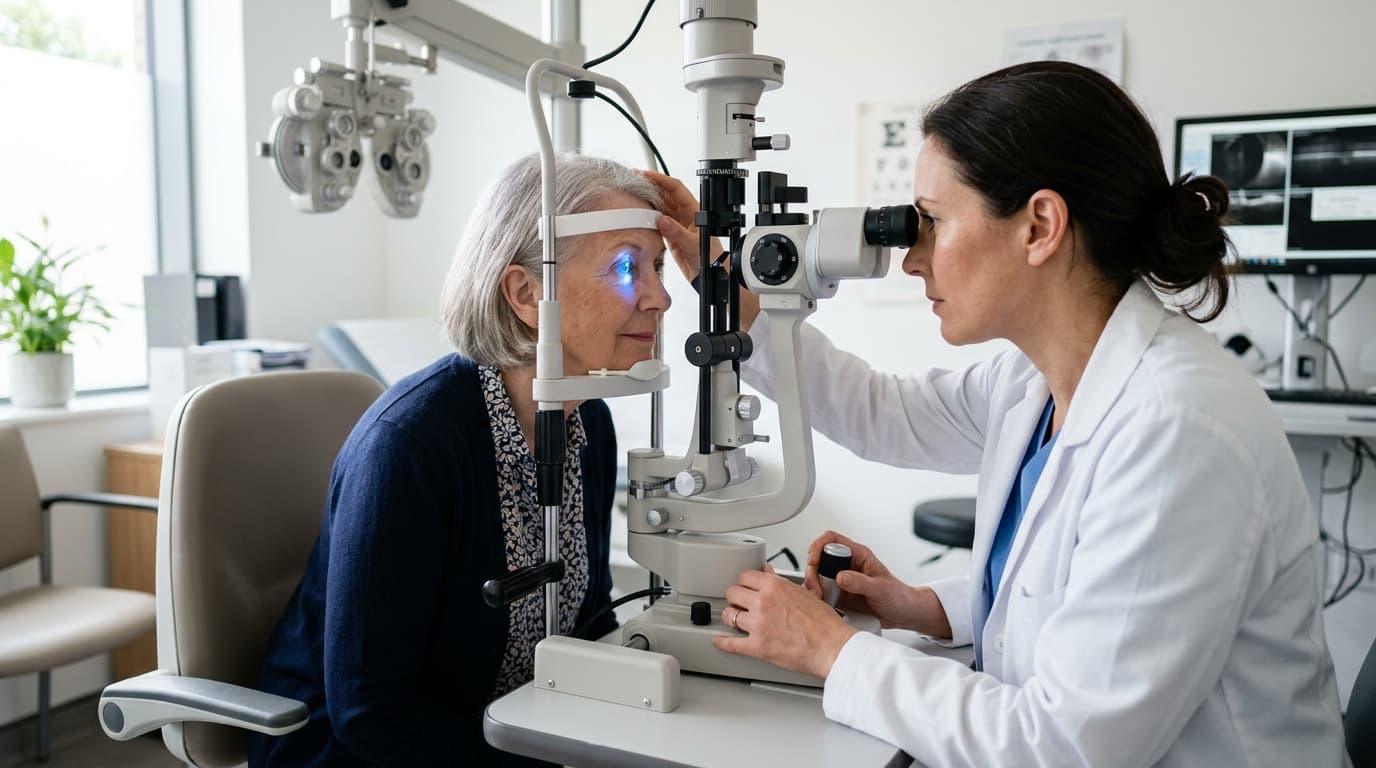
An evaluation usually starts with questions. A doctor will want to know what the visual symptoms look like, which eye or eyes are involved, how long they last, how often they occur, and whether headaches or other symptoms come with them, along with your personal and family history. From there, an eye examination may be carried out to look at the structures of the eye, including the back of the eye, which helps rule out other causes. Depending on the picture, a doctor might also order general bloodwork such as a complete blood count or, where a hormonal pattern is suspected, tests like how to test cortisol levels, though these are not specific to migraine and are used only to look at the wider context. In many cases the diagnosis rests on the overall pattern of symptoms once other conditions have been considered, rather than on one definitive test.
It is worth being honest about the limits of any article. The symptoms described here overlap with several other conditions, and only a qualified professional can examine you, interpret what they find, and tell you what is really going on. If the pattern above feels familiar, the most useful next step is a conversation with a doctor or eye specialist, not more searching online. Everyday complaints such as a passing headache, trouble with sleep, or a minor flu usually settle on their own, and not every health worry needs investigation, much as a sore throat often eases with simple home remedies for a sore throat rather than antibiotics. Sudden vision changes, though, sit in a different category and deserve a proper look.
Summary
Ocular migraine symptoms are usually short-lived visual disturbances, including flickering or shimmering lights, zigzag or wavy lines, flashing points, and a blind spot that can drift across your vision. These changes often appear before or during a headache, build up over a few minutes, and then fade as sight returns to normal, typically within about 5 to 60 minutes. The term ocular migraine is broad: most often it means a migraine with visual aura affecting both eyes, but it can also refer to the rarer retinal migraine, which affects vision in one eye and is harder to tell apart.
The key practical message is about knowing when not to wait. A familiar visual aura that clears within the hour is generally not dangerous on its own, and many people simply rest until it passes. But first-time symptoms, vision loss or dimming in one eye, sudden severe changes, or any sign of stroke call for prompt or emergency evaluation, because other causes need to be ruled out. Triggers such as stress, poor sleep, dehydration, screens, and certain foods can be worth tracking, and frequent migraines are worth discussing with a professional. None of this replaces personal medical advice, but it should make ocular migraine symptoms, and the moments that warrant attention, much easier to recognize.
Frequently asked questions
What are the most common ocular migraine symptoms?
The most common ocular migraine symptoms are short-lived visual disturbances. People often describe flickering or shimmering lights, zigzag or wavy lines, flashing or twinkling lights, floating spots, and a blind spot or area of missing vision that can drift across the field of view. These changes usually appear before or during a headache, though some people have the visual symptoms with no head pain at all.
How long do ocular migraine symptoms last?
Visual symptoms are usually brief. The aura typically lasts somewhere between 5 and 60 minutes, and often clears within about 10 to 20 minutes, with vision returning to normal afterward. Any headache that follows can last much longer, from a few hours to a few days. Visual symptoms that last longer than an hour at a time are a reason to seek medical advice.
What is the difference between an ocular migraine and a retinal migraine?
The terms are often mixed up. A migraine with visual aura usually affects vision in both eyes and is fairly common. A retinal migraine is rarer and involves repeated visual symptoms, including dimming or temporary loss of vision, in one eye only. Because one-eye vision changes can have other causes, a retinal migraine is harder to tell apart and should be assessed by a professional.
Can you have an ocular migraine without a headache?
Yes. Some people experience the visual aura on its own, with little or no head pain. This is sometimes called a silent migraine or a visual migraine. Even when there is no headache, new or unfamiliar visual symptoms are worth discussing with a health professional so other causes can be ruled out.
Are ocular migraines dangerous?
A typical migraine with visual aura is not dangerous on its own and the vision changes are temporary. The main reason for caution is that some symptoms can look similar to more serious problems, such as a transient ischemic attack or an eye condition. That is why first-time symptoms, symptoms in one eye, or sudden severe changes should be checked rather than assumed to be a migraine.
What triggers ocular migraine symptoms?
Common reported triggers include stress, poor or irregular sleep, dehydration, skipping meals or low blood sugar, bright or flickering light and long screen time, certain foods and drinks such as aged cheese or caffeine, hormonal changes, strong smells, and weather or temperature shifts. Triggers vary from person to person, so many people find it helpful to keep a simple diary.
Is an ocular migraine the same as a stroke?
No, but some symptoms can overlap, which is why caution is sensible. Warning signs that need emergency care include weakness or numbness on one side of the body or face, trouble speaking or understanding speech, sudden severe headache, confusion, loss of coordination, or sudden loss of vision. If these appear, seek emergency help rather than waiting for the symptoms to pass.
Should I see an eye doctor or a regular doctor for ocular migraine symptoms?
Either can be a sensible starting point, especially for a first episode. An eye examination can help rule out problems with the eye itself, while a doctor or neurologist can look at the broader pattern of headaches and aura. Sudden vision changes, particularly in one eye, often warrant a prompt eye assessment to exclude other causes.
What might a doctor check during an evaluation?
A doctor will usually ask about your symptoms, how often they happen, how long they last, and your headache and family history. An eye examination may be done to look at the back of the eye and rule out other conditions. The diagnosis often rests on the pattern of symptoms once other causes have been considered, rather than on a single test.
Can screen time cause ocular migraine symptoms?
Long periods of screen use, along with bright or flickering light and glare, are among the factors some people notice before an episode. Screens are not thought to be a direct cause for everyone, but they can act as a trigger. Regular breaks, comfortable lighting, and managing eye strain may help some people reduce how often symptoms appear.
Do ocular migraine symptoms need treatment?
Because the visual symptoms usually pass on their own within an hour, many people simply rest in a calm, dim space until they clear. When migraines are frequent or troublesome, a health professional can discuss options and look at triggers. Any decision about medication should be guided by a doctor, and this article does not recommend specific treatments or doses.
Author
Equipe Editorial GuiaDeSaude
The GuiaDeSaude Editorial Team researches and writes content from recognized medical sources (PubMed, Ministry of Health, WHO, Mayo Clinic, among others). All information is checked against at least two sources before publication.