Insomnia: what it is, causes, sleep hygiene, and when to seek help
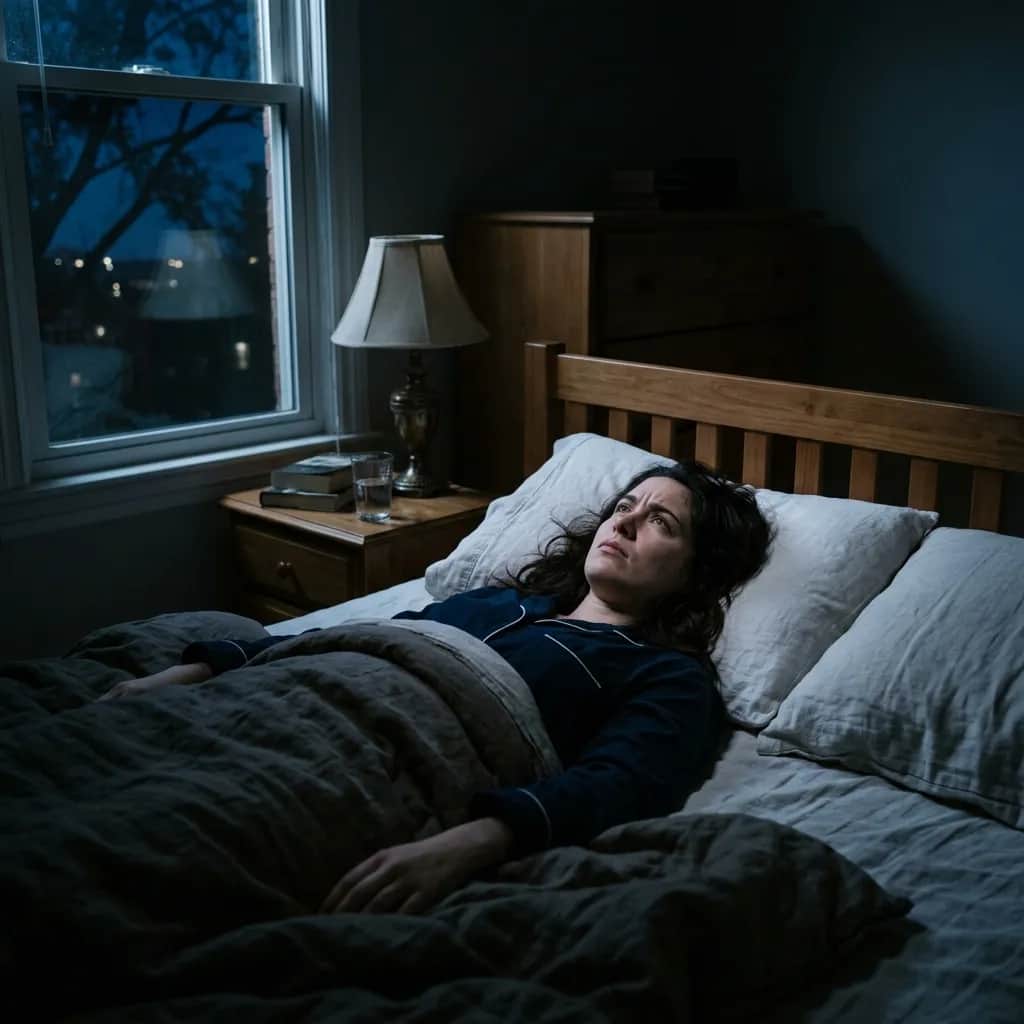
Sleeping well is as important for health as eating and staying well hydrated. Even so, many people spend nights staring at the ceiling, counting sheep that solve nothing, or waking at three in the morning unable to fall back asleep. Insomnia is one of the most common sleep disorders, and anyone who lives with it knows the problem does not end when the sun rises: the next day arrives heavy, with a foggy head, a short temper, and half-functioning concentration. The good news is that insomnia, in most cases, improves with changes in habits, and there is a well-recognized treatment for when it becomes persistent.
This guide was built to be a complete reference on the subject. You will understand what insomnia is, the difference between the acute and chronic forms, why it happens, who is most at risk, what consequences poor sleep brings for body and mind, how to build a sleep hygiene routine that actually works, what cognitive behavioral therapy for insomnia (known as CBT-I) is, the role of medication, and, above all, when it is time to see a doctor. All of this is based on official sources such as MedlinePlus (from the U.S. National Library of Medicine), the NHLBI (U.S. National Heart, Lung, and Blood Institute), the NHS (UK National Health Service), and the NIA (U.S. National Institute on Aging).
What insomnia is
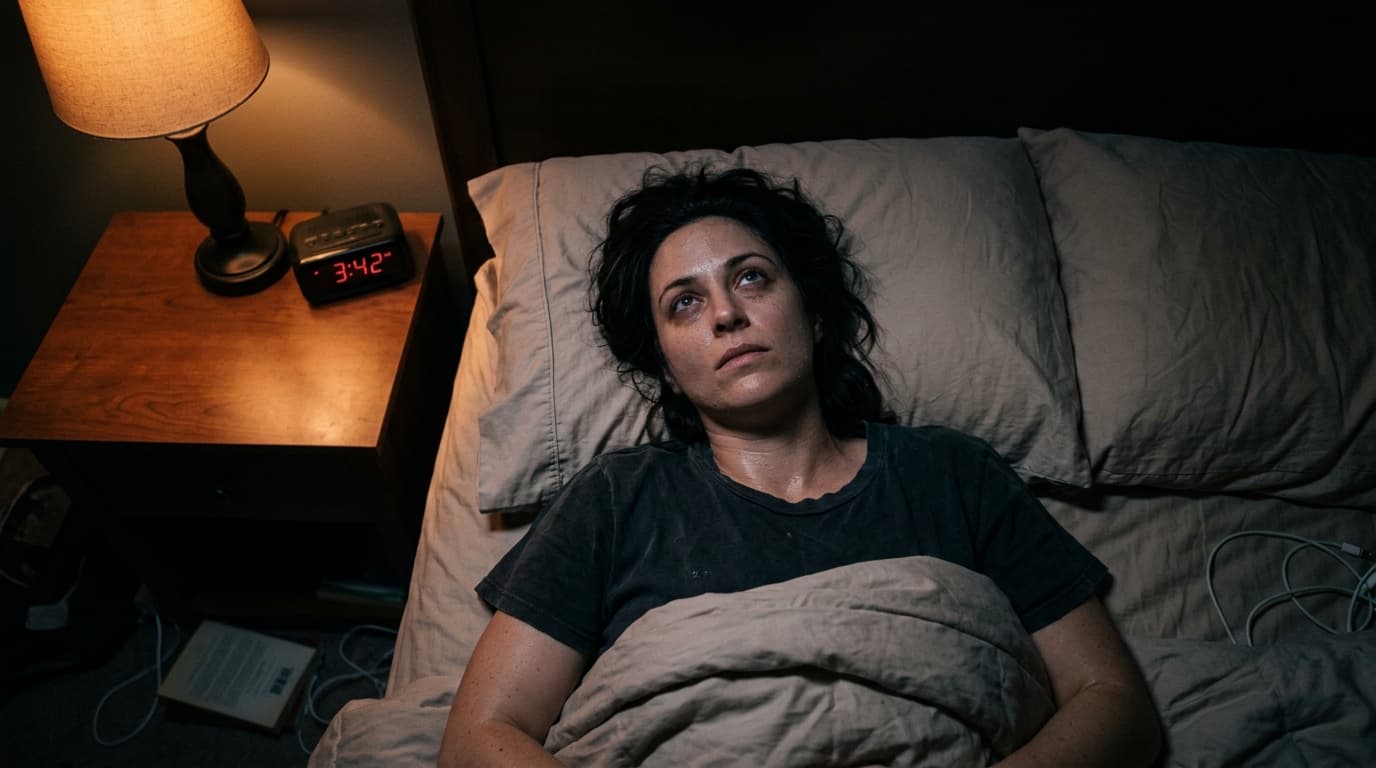
Insomnia is the name given to a persistent difficulty in sleeping, even when a person has the time and an adequate environment for it. People with insomnia may take a long time to fall asleep, wake several times during the night, wake up too early and fail to fall back asleep, or simply feel that their sleep was not restorative, waking tired even after hours in bed. In many cases, these patterns are mixed together.
The central point, according to the NHLBI, is that insomnia is not defined only by the number of hours slept. Two people can sleep the same number of hours and have completely different experiences: one wakes rested, the other carries tiredness through the day. Insomnia is precisely this mismatch between the opportunity to sleep and the ability to obtain quality sleep, with clear effects on daytime energy.
It is worth highlighting an important distinction in understanding. Most of the time, insomnia is a symptom, not a disease on its own. MedlinePlus separates secondary insomnia, the most common kind, which appears as a reflection of another health condition, the use of certain medicines, or another sleep disorder, from primary insomnia, in which the difficulty sleeping is not caused by another identifiable problem. This distinction guides treatment: when there is an underlying cause, treating it is part of the solution.
How much sleep is enough
There is no magic number that is the same for everyone, but there are reference ranges. According to the NHS, most adults need about 7 to 9 hours of sleep per night. Children usually need 9 to 13 hours, and babies and very young children need 12 to 17 hours. The NIA reinforces that older adults also need about 7 to 9 hours, contrary to the myth that older people "need less sleep."
More important than fixing a number is observing how you feel. If you wake rested, keep your energy up through the day, and do not depend on excessive caffeine to function, you are probably sleeping enough. When, even with time in bed, daytime tiredness is constant, it is worth looking at the quality of your sleep and the possibility of insomnia.
Acute and chronic insomnia: the difference that guides care
Understanding this classification is useful because it changes both the approach and the level of attention needed.
Acute insomnia, also called short-term, lasts a few days or a few weeks. It is usually linked to an identifiable trigger, such as a period of work stress, a family worry, a significant event, or a change in routine. According to the NHS, insomnia that lasts less than three months is considered short-term. In most of these cases, it tends to improve on its own once the situation that triggered it settles, and it responds well to sleep hygiene measures.
Chronic insomnia, or long-term, has more precise criteria. The NHLBI and the NIA describe it as trouble sleeping that happens at least three nights a week, for more than three months, and that is not fully explained by another health condition. The NHS, similarly, refers to long-term insomnia when the situation persists for three months or more. When insomnia reaches this pattern, it deserves evaluation, because it tends to sustain itself and because there is specific treatment for it.
Comparison table
| Feature | Acute insomnia (short-term) | Chronic insomnia (long-term) |
|---|---|---|
| Duration | Days to a few weeks | More than three months |
| Frequency | Variable, linked to a trigger | At least three nights a week |
| Typical cause | A specific stressor, change in routine | May persist even without a clear cause |
| Tends to improve on its own | Often, yes | Rarely without intervention |
| Initial approach | Sleep hygiene | Sleep hygiene and CBT-I |
Causes and risk factors
Insomnia rarely has a single cause. In general, it arises from the meeting of triggers with factors that make a person more vulnerable. Among the causes and factors that appear most often in official sources are:
- Stress, anxiety, worries, and emotional distress
- Depression and other mood changes
- Shift work, especially night shifts
- Time zone changes (jet lag) and frequent travel
- Caffeine, especially late in the day
- An inadequate sleep environment, such as a room that is hot, noisy, or lit
- Very irregular bedtimes
- The use of certain medicines
- Other health conditions and pain that disrupt sleep, including a passing illness such as the flu
- An inactive lifestyle
Some groups are at higher risk. According to MedlinePlus, insomnia is more common in women than in men and tends to increase with age. People with high stress levels, with depression or emotional distress, night shift workers, frequent travelers across time zones, and people with a sedentary life also appear among the most affected. The NIA adds that insomnia is the most common sleep problem in people aged 60 and older, and that factors such as menopause, pain, illness, medicines, and sleep apnea can contribute in this age group. Hormonal changes earlier in life, such as those behind PMS, can also disturb sleep in the days before a period.
Consequences of poor sleep
Poor sleep does not charge its bill only in the form of tiredness. When insomnia becomes frequent, the effects spread through daytime life and, over the long term, through the body's health.
Day to day, MedlinePlus points to daytime sleepiness and low energy, irritability, anxiety and depressive symptoms, as well as impaired attention, focus, learning, and memory. There is also a practical and serious risk: drowsiness behind the wheel, which raises the chance of traffic accidents. For many people, insomnia can also act as a trigger for other discomforts, such as headache episodes.
Over the long term, the impact goes further. The NHLBI highlights that chronic insomnia can raise the risk of conditions such as high blood pressure, coronary heart disease, diabetes, and cancer. This does not mean that one bad night will cause these diseases, but rather that chronically insufficient sleep is a factor that weighs on overall health, just as prolonged stress can show up in other ways, such as a bout of hair loss. It is one more reason not to treat persistent insomnia as something trivial.
Sleep hygiene: the practical step by step
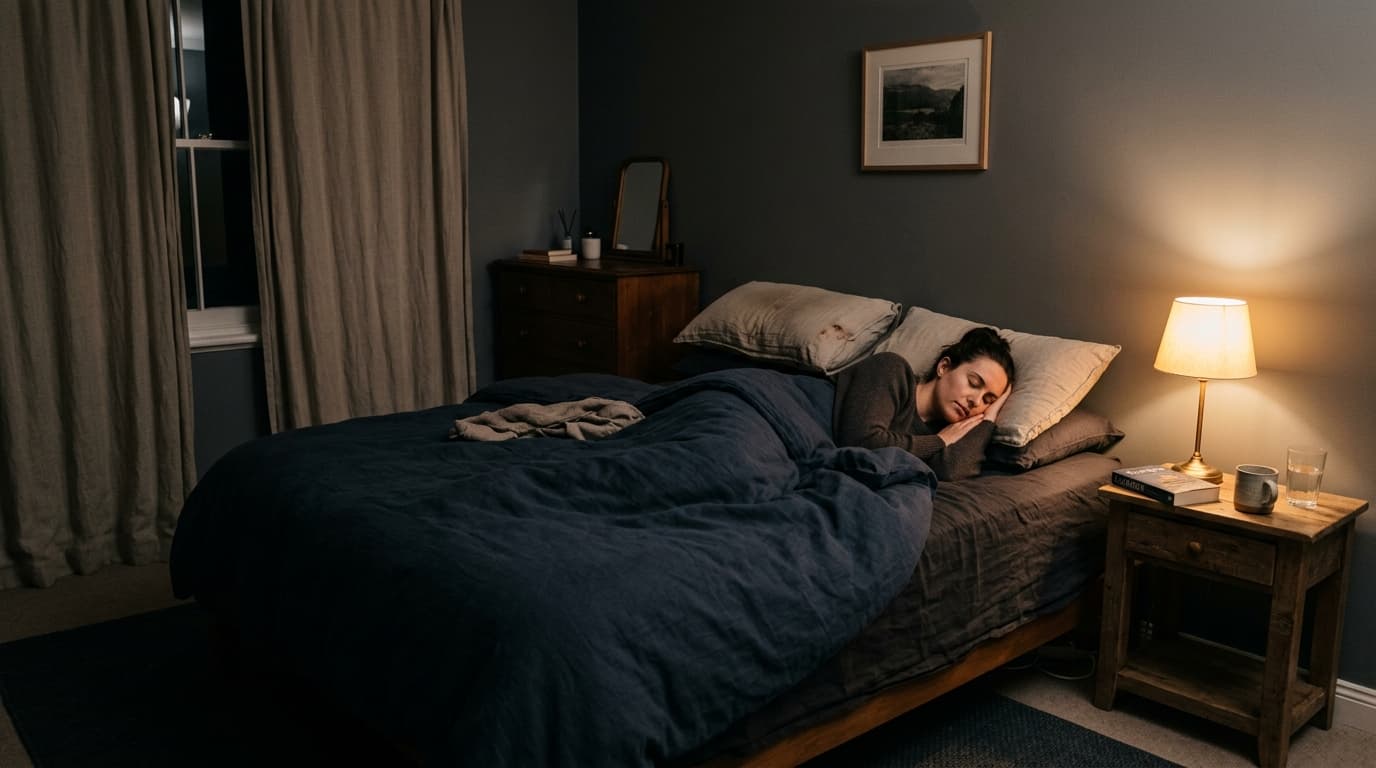
Sleep hygiene is the set of habits and conditions that prepare body and mind to sleep well. For short-term insomnia, these measures are usually the first and often the only approach needed. Drawing together the guidance of the NHS, MedlinePlus, and the NIA, here is a practical roadmap:
- Keep regular hours. Try to go to bed and wake up at the same times, including on weekends. Regularity helps adjust the body's internal clock.
- Create a relaxation routine. In the 30 to 60 minutes before bed, dim the lights, turn off or reduce screen use, and prefer calm activities, such as reading, a warm bath, or a caffeine-free drink like ginger tea with lemon.
- Take care of the bedroom environment. A dark, quiet bedroom at a comfortable temperature favors sleep. Invest in a comfortable bed.
- Moderate stimulants. Avoid caffeine and heavy meals close to bedtime. The NHS also suggests not doing intense exercise in the hours leading up to sleep.
- Reserve the bed for sleep. Avoid working, eating, or watching series in bed. The idea is to strengthen the association between the bed and sleep.
- Be careful with naps. Long daytime naps can make it harder to sleep at night, especially for those who already have insomnia.
- Move during the day. Regular physical activity helps sleep, as long as it is not too close to bedtime, and getting some daylight while you do it supports the body's production of vitamin D too.
- If sleep does not come, do not force it. After about 20 minutes without sleeping, get up, go to another room, and do a calm activity in low light, returning to bed only when you feel sleepy. Tossing and turning tends to increase anxiety and frustration.
These changes seem simple, and they are, but the effect comes from consistency. It is worth treating them like training, giving the body time to adapt before concluding that "it did not work."
Cognitive behavioral therapy for insomnia (CBT-I)
When insomnia becomes chronic, sleep hygiene alone is usually not enough. For these cases, the approach most recognized by official sources is cognitive behavioral therapy for insomnia, known by the abbreviation CBT-I. The NHLBI, the NHS, and the NIA all cite it among the recommended interventions, and the NHS describes it as the first-line treatment offered for long-term insomnia.
CBT-I is a structured form of therapy that starts from a central idea: in chronic insomnia, it is often the thoughts, worries, and behaviors around sleep that help keep it at bay. The fear of not sleeping, the habit of spending hours in bed trying to "force" sleep, and anxious thoughts about the next day feed a cycle that sustains itself. The therapy works precisely to break that cycle.
In practice, CBT-I combines techniques such as identifying and reframing thoughts that disrupt sleep, adjusting the time spent in bed to bring it closer to actual sleep time, strengthening the association between the bed and sleeping, and incorporating relaxation techniques and good sleep hygiene practices. It is an approach without medication, conducted by a trained professional, and for that reason it is usually recommended before medicines for chronic insomnia. It is important to keep in mind that this is a treatment, with timelines and follow-up, and not a promise of an immediate result.
The role of medication
Sleeping medicines exist and have their place, but the current understanding of official sources is clear: they are not the first choice for insomnia, especially the chronic form. The NHS states that doctors now rarely prescribe sleeping pills, precisely because of the risk of dependence and because there are safer and more lasting approaches, such as CBT-I. The NIA adds that sleep medicines may help in the short term, but they carry risks and should not be used for long periods.
For this reason, the golden rule is not to use sleeping medicines on your own. The decision about whether to recommend a medicine, which class to choose, and for how long to use it is the responsibility of the health professional, who evaluates the case as a whole, including other conditions and other medicines the person already takes. Use without guidance can bring tolerance, dependence, and may mask a cause that needs to be treated. When there is a medical indication, medication is usually thought of as temporary support, not as a standalone solution.
When to seek medical help
Occasional bad nights are part of life and do not require a rush to the clinic. But there are signs that it is time to seek professional evaluation. Drawing together the guidance of the NHS, MedlinePlus, and the NIA, see a doctor when:
- The trouble sleeping persists for weeks or months and disrupts your daily life
- Sleep hygiene measures have already been tried and brought no improvement
- Daytime tiredness is so intense that it causes dangerous drowsiness when driving or operating machinery
- Memory or concentration problems or important mood changes appear
- The person snores loudly and has pauses in breathing during sleep, a possible sign of sleep apnea
- Insomnia appears alongside persistent sadness, intense anxiety, or other symptoms that worry you
At the appointment, the doctor usually reviews your sleep and health history, performs an exam, sometimes orders blood tests such as a complete blood count to look for contributing conditions, and, in some cases, asks for a sleep diary, in which you record your hours and the quality of your nights for a few weeks. This record is a valuable tool and helps identify patterns. When necessary, the professional may order a sleep study, an exam that assesses what happens to the body during the night and helps investigate conditions such as apnea.
Myths and facts about insomnia
"Everyone needs exactly 8 hours of sleep." Myth. The reference range for adults is about 7 to 9 hours, and the need varies from person to person. What matters is waking rested and having energy during the day.
"Older people sleep little because of their age." Myth. Some changes in sleep are common with aging, but older adults still need about 7 to 9 hours, according to the NIA. Persistent insomnia at any age deserves attention.
"Taking a sleeping pill solves it for good." Myth, and risky. Sleeping medicines are not the first choice, they can cause dependence, and they do not treat the cause. For chronic insomnia, CBT-I is the most recognized approach.
"Lying down with your eyes closed already counts as rest." Partly a myth. Spending hours awake in bed tends to increase anxiety. The guidance is to get up and do a calm activity if sleep does not come within about 20 minutes.
"Taking care of sleep habits makes a real difference." Fact. Sleep hygiene is the foundation of care and, with short-term insomnia, often resolves it on its own.
What to bring and ask at the appointment
To make the most of the evaluation, go prepared. If possible, bring a sleep diary from the last few days or weeks, with bedtimes and wake times, how many times you woke up, and how you felt the next day. Have answers in mind for questions such as: how long ago the problem started, how often it happens, whether there is an identifiable trigger, how your stress level is, what you consume late in the day, and which medicines you take. Useful questions to ask the professional include: is my case acute or chronic insomnia, is there an underlying cause to treat, is CBT-I indicated for me and where can I find it, and which habits should I adjust first.
Summary: what to take from this guide
Insomnia is common and, most of the time, improves with changes in habits. The acute form lasts days or weeks and usually eases once the trigger passes; the chronic form happens at least three nights a week, for more than three months, and deserves evaluation. Sleep hygiene, with regular hours, a relaxation routine, an adequate environment, and moderation of stimulants, is the foundation of care. For chronic insomnia, cognitive behavioral therapy for insomnia (CBT-I) is the most recognized approach and usually comes before medicines, which are not the first choice and should only be used with professional guidance. The non-negotiable point is not to let persistent insomnia slip by: when it lasts weeks or months, disrupts the day, comes with snoring and pauses in breathing, or with mood changes, it is time to seek help. Sleeping well is not a luxury, it is part of taking care of your health.
Frequently asked questions
What is the difference between acute and chronic insomnia?
Acute, or short-term, insomnia lasts a few days or weeks and is usually linked to a specific stressor or a change in routine. Chronic, or long-term, insomnia is defined more precisely: the trouble sleeping happens at least three nights a week, for more than three months, and is not fully explained by another health condition. When the problem persists, it is worth seeking a medical evaluation.
How many hours of sleep does an adult need per night?
According to the NHS, most adults need about 7 to 9 hours of sleep per night. Children usually need 9 to 13 hours, and babies and young children need 12 to 17 hours. Keep in mind that needs vary from person to person, and what matters is not only the amount but also the quality of sleep and how you feel during the day.
Do sleeping pills solve insomnia?
They are not the first choice. For chronic insomnia, cognitive behavioral therapy for insomnia (CBT-I) is a well-recognized treatment and is usually recommended before medication. The NHS notes that doctors now rarely prescribe sleeping pills because of the risk of dependence. When medication is needed, it should be prescribed and monitored by a health professional.
Is insomnia a disease or a symptom?
Most of the time, insomnia is a symptom, not a disease on its own. MedlinePlus distinguishes secondary insomnia, the most common kind, which appears alongside another health condition, the use of certain medicines, or another sleep disorder, from primary insomnia, in which the trouble sleeping is not caused by another problem. Because of this, treating the underlying cause, when there is one, is part of managing it.
What is sleep hygiene?
Sleep hygiene is the set of habits and conditions that favor quality sleep. It includes keeping regular times to go to bed and wake up, creating a relaxation routine before bed, taking care of the bedroom environment (dark, quiet, and at a comfortable temperature), and avoiding stimulants such as caffeine and screens close to bedtime. These are simple measures that, according to official sources, help a great deal, especially with short-term insomnia.
Can insomnia harm health beyond tiredness?
Yes. Besides affecting concentration, memory, mood, and energy in daily life, the NHLBI notes that chronic insomnia can raise the risk of conditions such as high blood pressure, coronary heart disease, diabetes, and cancer. Daytime tiredness also raises the risk of accidents, especially drowsiness behind the wheel. These are further reasons not to treat persistent insomnia as something trivial.
Who is most at risk of insomnia?
According to MedlinePlus, insomnia is more common in women than in men and tends to increase with age. Other risk factors include high stress levels, depression or emotional distress, night shift work, frequent travel across time zones, and an inactive lifestyle. Insomnia is the most common sleep problem in people aged 60 and older, according to the NIA.
Does tossing and turning in bed help?
Generally, no. Spending a long time awake in bed tends to increase anxiety and the association between the bed and frustration. A common sleep hygiene recommendation is this: if sleep does not come after about 20 minutes, it is better to get up, go to another room, and do a calm activity in low light, returning to bed only when you feel sleepy.
Is insomnia in older adults just a normal part of aging?
Some changes in sleep are common with aging, but insomnia itself should not be seen as an inevitable part of getting older. The NIA points out that older adults need about 7 to 9 hours of sleep, like other adults, and that persistent sleep problems deserve evaluation. Healthy habits and CBT-I can help, and any use of medication needs professional guidance.
Do screens and phones disrupt sleep?
Yes, this is a common complaint and a recurring recommendation from official sources. Using screens close to bedtime can make it harder to relax and to fall asleep. For this reason, one sleep hygiene recommendation is to turn off or reduce screen use in the 30 to 60 minutes before bed and prefer calm activities.
When should I see a doctor about insomnia?
Seek an evaluation when the trouble sleeping persists for weeks or months and disrupts your daily life, when tiredness is so intense that it causes dangerous drowsiness while driving or operating machinery, when memory or concentration problems or important mood changes appear, or when there is loud snoring with pauses in breathing during sleep, a possible sign of sleep apnea. The doctor can review your history, do an exam, and, if necessary, order a sleep study.
Author
Equipe Editorial GuiaDeSaude
The GuiaDeSaude Editorial Team researches and writes content from recognized medical sources (PubMed, Ministry of Health, WHO, Mayo Clinic, among others). All information is checked against at least two sources before publication.