Receding Gums: Causes, Signs, and What Actually Helps

Receding gums tend to arrive quietly. There is no sudden pain or dramatic moment, just a slow change you might catch one day in the mirror: a tooth that looks a little longer than it used to, or a twinge of sensitivity when you sip something cold. By the time most people notice, the gum has already pulled back and exposed part of the tooth that is normally tucked away. The good news is that spotting it, even late, still gives you plenty of room to act.
This guide explains what receding gums actually are and how they connect to gum disease, what tends to cause them, and the signs worth watching for. It then tackles the question almost everyone asks, whether gums can grow back, and looks honestly at what helps, how to care for your gums day to day, and when it is time to see a dentist. It is educational and does not replace advice from a dental professional, but it should give you a clear and calm picture of what is going on and what you can do about it.
What receding gums are and how they relate to gum disease
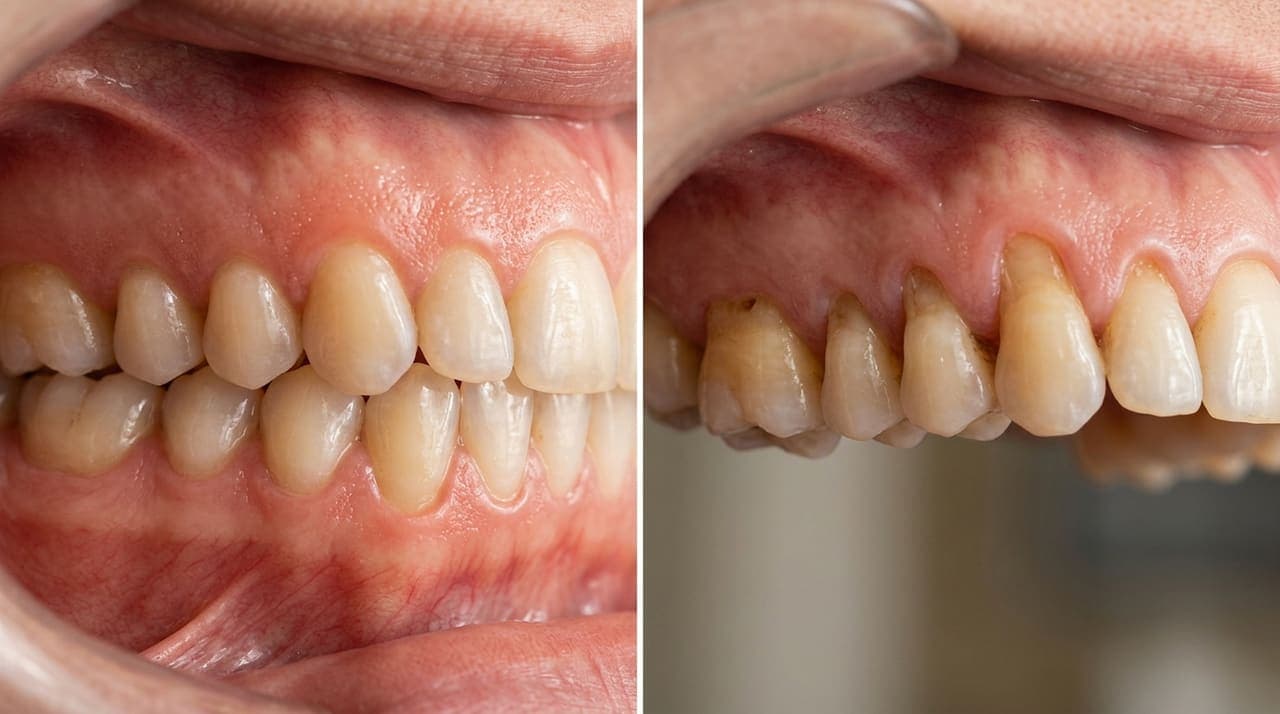
Gum recession is what happens when the gum tissue that normally wraps snugly around each tooth pulls away, leaving more of the tooth, and sometimes the root, exposed. Healthy gums sit like a tight collar around the base of every tooth, protecting the softer root underneath and keeping the supporting structures sealed off from bacteria. When that collar shrinks back, the result is the longer-looking teeth and exposed roots that define recession. It can happen on a single tooth or across several at once.
Receding gums are often described as a form of gum disease, and the two are closely linked. Gum disease, also called periodontal disease, is inflammation and infection of the tissues that support the teeth. It usually starts as gingivitis, where plaque builds up along the gum line and the gums become red, puffy, and prone to bleeding. At this early stage there is no bone loss and it can be reversed. If it is not dealt with, it can progress to periodontitis, where the gums begin to pull away from the teeth, pockets form, and the bone and tissue holding the teeth in place start to break down. That pulling away is precisely how gum disease causes recession. Still, it is worth remembering that not all recession comes from disease, which is where the causes get a little broader.
Common causes of gum recession
The most common driver is gum disease itself. As plaque, a sticky film of bacteria, builds up and hardens into tartar along and beneath the gum line, it inflames the gums and gradually erodes the support around the teeth, pulling the gums back in the process. This is why good plaque control sits at the heart of prevention, a theme that runs through everything below.
Brushing too hard is another surprisingly common cause. It feels like vigorous scrubbing must clean better, but forceful brushing with a stiff brush can physically wear away delicate gum tissue over time. Teeth grinding and clenching, often during sleep, put repeated stress on the teeth and gums and can contribute too. Then there is genetics: some people simply have naturally thin gum tissue that is more prone to receding, no matter how careful they are. Certain lifestyle habits can raise the risk, as do lip and tongue piercings that rub against the gums, crooked or misaligned teeth, and in some cases past orthodontic treatment. Often it is not one of these acting alone but several combining quietly over years.
Signs and symptoms to watch for
Because gum recession develops slowly, the signs can be easy to miss at first. The most recognizable one is the look of the teeth: they start to appear longer, because more of the tooth is showing above the gum than before. You might also be able to feel a small notch or step where the tooth meets the gum, a spot that was once smooth.
Sensitivity is the other classic clue. When the gum recedes, it can expose the root of the tooth, and the root is not shielded by the hard enamel that protects the crown. That makes it far more reactive to hot, cold, and sweet things, so a sudden twinge while drinking iced water or biting into something sweet can be a hint. Some people notice tenderness or discomfort along the gum line, or that brushing and flossing in certain spots feels sharper than it should. If gum disease is involved, there may be added signs such as red, swollen, or bleeding gums, persistent bad breath or a bad taste, and in advanced cases teeth that feel loose. None of these should be brushed off, since catching them early matters.
Can receding gums grow back, and what actually helps
Here is the honest answer to the question almost everyone has: no, receding gums do not grow back. Once gum tissue has pulled away from a tooth, it does not regenerate on its own, and there is no toothpaste, mouth rinse, oil, or home remedy that will regrow it. Any product promising to reverse recession on its own is overpromising. That is the part worth being clear-eyed about.
The far more useful point is that the recession can usually be slowed or stopped, and that is where your effort pays off. The single most important step is tackling the cause. If gum disease is behind it, treating that disease, often through professional cleaning that removes hardened plaque from along and below the gum line (a procedure called scaling and root planing), is central. If hard brushing is the culprit, switching to a soft brush and a gentle technique protects the gum that remains. A night guard can help if grinding is a factor, and orthodontic correction may be relevant for misaligned teeth. For the sensitivity that comes with exposed roots, a dentist may recommend a desensitizing toothpaste to make daily life more comfortable. The aim throughout is not to grow new gum but to protect what you have and halt the slide.
Prevention and daily care
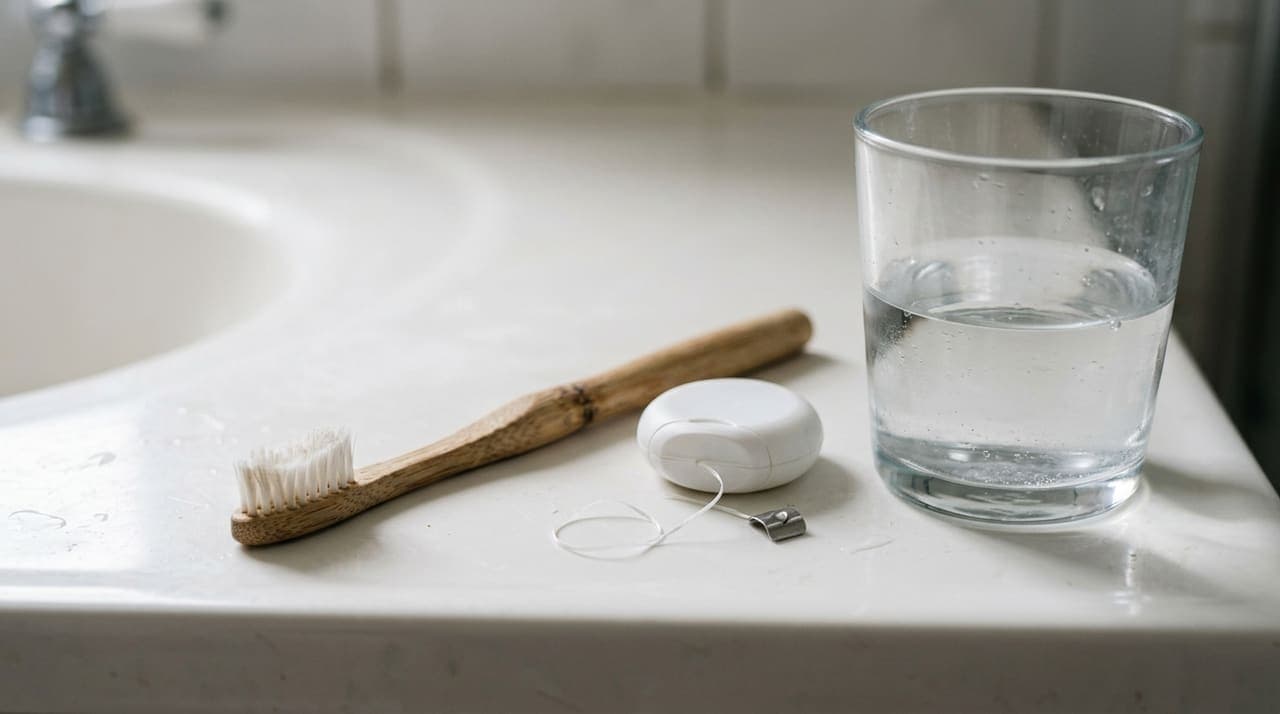
Good daily care cannot reverse recession that has already happened, but it is the most powerful thing you can do to prevent it and keep it from worsening. The foundation is gentle, consistent plaque control. Brush twice a day with a soft-bristled brush, using a light touch and a careful technique rather than hard scrubbing. With a fluoride toothpaste, it helps to spit rather than rinse straight afterward so the fluoride stays on the teeth longer.
Cleaning between the teeth once a day, with floss or interdental brushes, reaches the plaque a toothbrush cannot, which is exactly where gum problems often begin. Keeping healthy lifestyle habits removes a major risk factor for gum disease and recession alike. Keeping up with regular dental check-ups and professional cleanings allows a dentist or hygienist to remove hardened tartar and catch early changes before they progress. General health habits support the picture too, since staying on top of hydration keeps the mouth moist and helps wash away food and bacteria, while a balanced diet that includes nutrients like vitamin D and the minerals found in foods high in phosphorus supports the bone and tissue that hold teeth in place. None of these is a magic fix on its own, but together they give the gums their best chance.
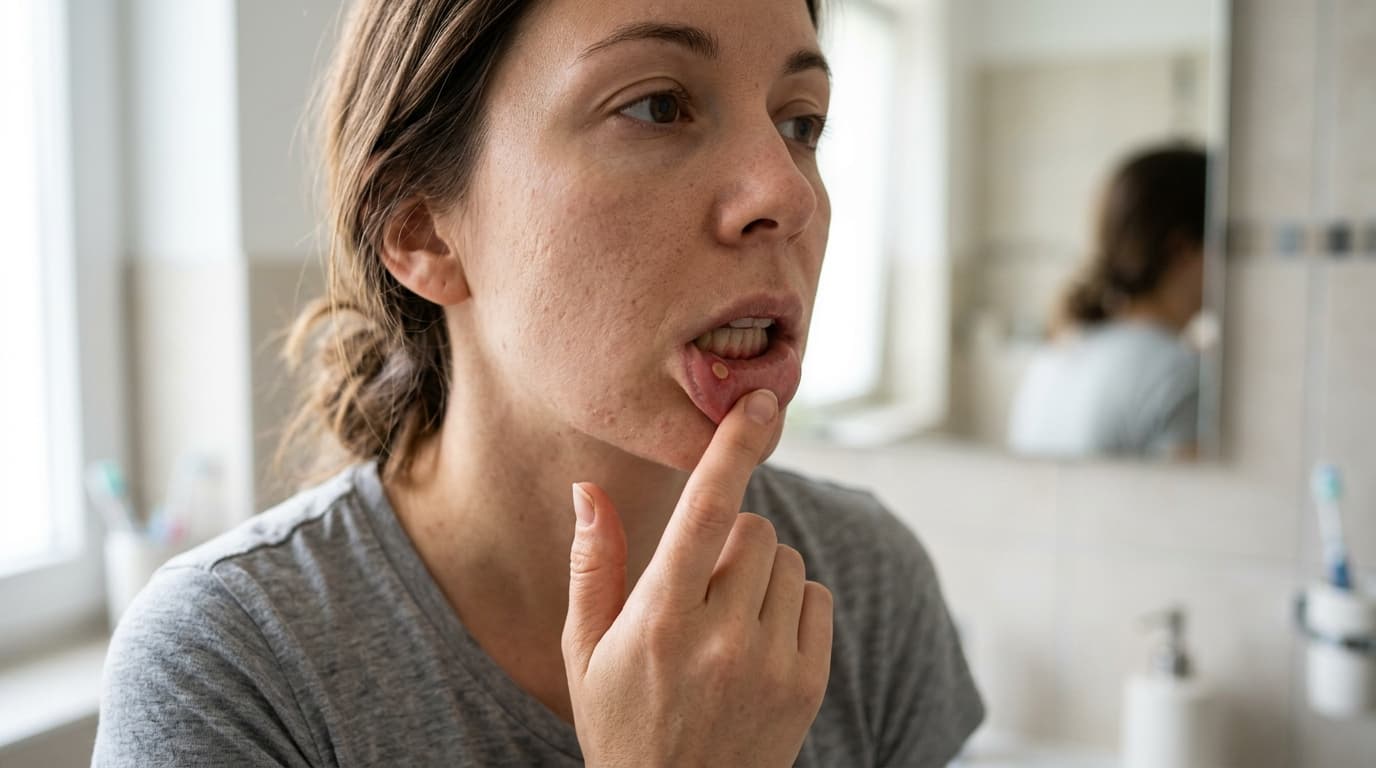
It also helps to be gentle with the soft tissues of the mouth in general. The same care that protects your gums tends to protect against other minor mouth irritations, from the discomfort of a canker sore to a swollen taste bud, both of which follow their own course but respond well to a calm, gentle approach.
When to see a dentist and treatments in general
You do not need to wait until your gums feel painful to get them checked. Because gum recession is so much easier to manage early, it is worth booking a dental appointment if you notice your teeth looking longer, new sensitivity along the gum line, or a notch where a tooth meets the gum. Signs that point more toward active gum disease, such as gums that bleed when you brush, look red or swollen, or feel sore, also deserve attention, as do persistent bad breath, a bad taste, or any sense that a tooth is becoming loose.
When you go, the dentist will look at how far the recession has progressed and try to work out what is driving it, since the cause shapes the plan. For milder situations and where gum disease is present, treatment often centers on a deep professional clean to remove plaque and tartar from below the gum line, paired with coaching on gentle daily care. Antimicrobial rinses or, in some cases, antibiotics may be used to help control infection, though these are tools a professional decides on rather than something to reach for yourself, much as you would not self-prescribe antibiotics for other problems. For more significant recession, a dentist or a gum specialist may discuss surgical options such as gum grafting, which can cover exposed roots using your own or donor tissue. Bringing a short note of your symptoms, when you first noticed them, and any habits like grinding helps the conversation. And as with any ongoing physical symptom that lingers or worsens, from a recurring headache to changes you cannot explain, it is always reasonable to seek a professional opinion rather than guess.
Summary
Receding gums happen when the gum tissue pulls back from the teeth, exposing more of the tooth and sometimes the root. It is closely tied to gum disease, where plaque inflames and erodes the support around the teeth, but it can also stem from brushing too hard, grinding, naturally thin gums, certain lifestyle habits, and other factors that often act together. The early signs are subtle: longer-looking teeth, a notch at the gum line, and new sensitivity to hot, cold, and sweet things.
The honest reality is that gums do not grow back once they have receded, and no home remedy changes that. What does matter, and what you can genuinely influence, is slowing or stopping the recession by treating the cause: gentle brushing with a soft brush, daily cleaning between the teeth, keeping healthy lifestyle habits, professional cleanings, and treating any underlying gum disease. A dentist can assess your situation, ease sensitivity, and, for more advanced cases, discuss options such as gum grafting. If your teeth look longer, feel newly sensitive, or your gums bleed or swell, it is worth getting them checked. This article is for general education and does not replace personal advice from a qualified dental professional.
For unrelated reading, you may also be interested in our guides on the flu, ocular migraine symptoms, and the stages of rheumatoid arthritis.
Frequently asked questions
What are receding gums?
Receding gums happen when the gum tissue that normally hugs each tooth pulls back, so more of the tooth and sometimes the root becomes exposed. It can affect one tooth or several. Because it usually develops slowly, many people only notice it when a tooth starts to look longer than before or becomes sensitive. It is often linked to gum disease, but it is not the only cause.
What causes gum recession?
There is rarely a single cause. Gum disease, where plaque builds up and inflames the gums, is one of the most common. Brushing too hard with a stiff brush, grinding or clenching the teeth, and a genetic tendency toward thin gums also contribute. Certain lifestyle habits, lip or tongue piercings, crooked teeth, and past orthodontic work can add to the risk. Often several of these factors act together over time.
What are the early signs of receding gums?
The most common early signs are teeth that start to look longer, a small notch or step you can feel where the tooth meets the gum, and new sensitivity to hot, cold, or sweet things. Some people notice tenderness or discomfort along the gum line, or that brushing and flossing feel sharper there. Because it creeps up gradually, comparing how your gums look over time can help you spot it.
Can receding gums grow back?
No. Once gum tissue has pulled back, it does not grow back on its own, and there is no toothpaste, rinse, or home remedy that regrows it. That sounds discouraging, but the more useful point is that the right care can slow or stop the recession from getting worse. Treating any underlying gum disease, brushing gently, and seeing a dentist regularly all help protect the gum you still have.
How can I stop my gums from receding further?
The main goal is to remove the things that are causing the recession. That usually means switching to a soft toothbrush and a gentle technique, cleaning between the teeth daily, having professional cleanings, and treating any gum disease. If grinding is part of the problem, a dentist may suggest a night guard. Healthy lifestyle habits and keeping up regular check-ups also make a real difference.
Are receding gums the same as gum disease?
They are closely related but not identical. Gum disease is inflammation and infection of the tissues that support the teeth, and as it advances it can pull the gums back, causing recession. So gum recession is often a sign of gum disease. However, gums can also recede from non-disease causes such as brushing too hard or naturally thin gums, so the two are not always the same thing.
Why are my teeth suddenly sensitive at the gum line?
Sensitivity at the gum line is one of the classic signs that the gum has receded and exposed part of the root. The root is not protected by hard enamel the way the crown of the tooth is, so hot, cold, and sweet things can reach the nerve more easily. A dentist can confirm the cause and may suggest a desensitizing toothpaste or other measures to ease the discomfort.
Does brushing harder clean my teeth better?
No, and brushing harder can actually harm the gums. Scrubbing forcefully with a stiff brush can wear away gum tissue over time and is a recognized cause of recession. Plaque is soft and comes off with gentle brushing, so a soft-bristled brush used twice a day with a light, careful technique does the job without damaging the gums.
What treatments are available for receding gums?
Treatment depends on the cause and how advanced things are. Milder cases are often handled with deep cleaning (scaling and root planing) to treat gum disease, along with better daily care. Desensitizing products can ease sensitivity. For more significant recession, a dentist or specialist may discuss procedures such as gum grafting, which can cover exposed roots. A dental professional is the right person to advise on what suits your situation.
When should I see a dentist about receding gums?
It is worth seeing a dentist if your teeth look longer, if you notice new sensitivity along the gum line, or if your gums bleed, look red or swollen, or feel sore. Loose teeth, persistent bad breath, or a bad taste also warrant a visit. Catching gum recession early gives the best chance of slowing it down, so there is no need to wait until it feels serious.
Can good daily care really prevent gum recession?
Good daily habits will not undo recession that has already happened, but they are the strongest tool for preventing it and stopping it from getting worse. Brushing gently twice a day, cleaning between the teeth, keeping healthy lifestyle habits, and seeing a dentist for regular check-ups all help keep the gums healthy. This article is educational and does not replace personal advice from a dentist.
Author
Equipe Editorial GuiaDeSaude
The GuiaDeSaude Editorial Team researches and writes content from recognized medical sources (PubMed, Ministry of Health, WHO, Mayo Clinic, among others). All information is checked against at least two sources before publication.