Soothers and Teeth: How Pacifiers Affect a Baby's Bite and What Parents Can Do
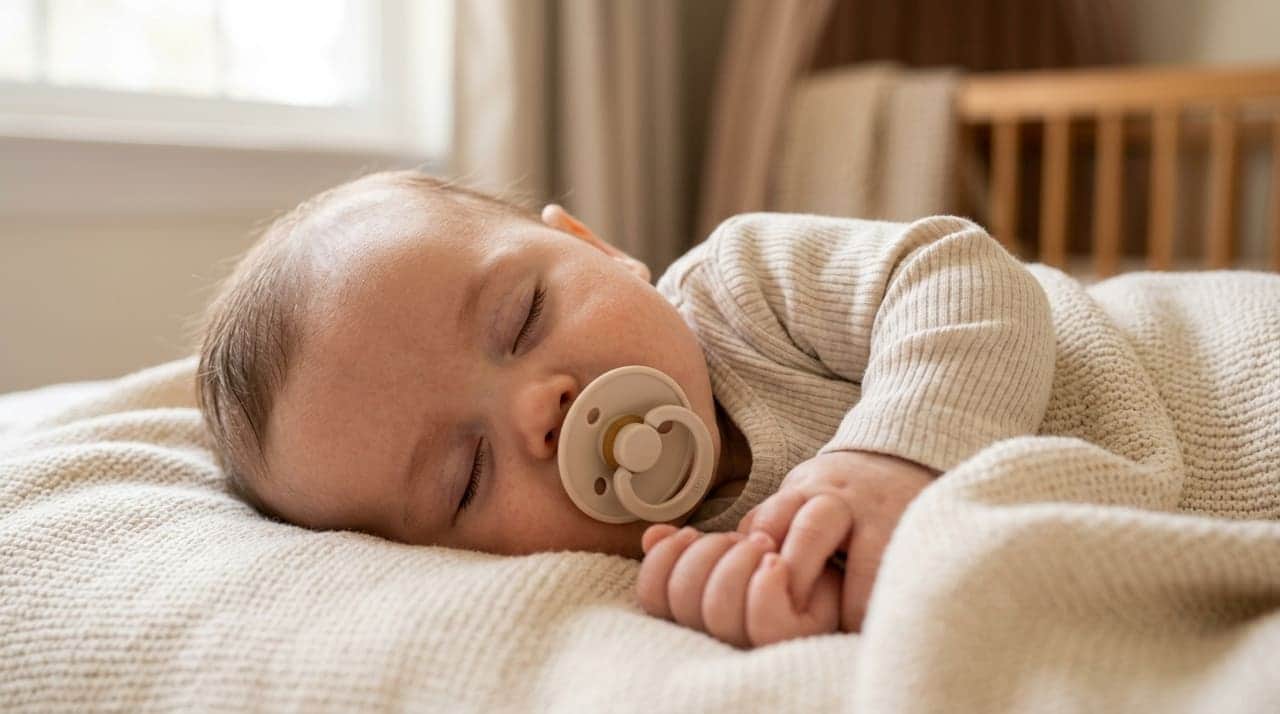
If you have ever watched a fussy baby melt into calm the moment a soother goes in, you know why dummies are so popular. They comfort, they settle, and they give a baby a safe way to satisfy a powerful natural urge to suck. At the same time, a quiet worry sits in the back of many parents' minds: is this little piece of silicone going to mess up my baby's teeth? It is a fair question, and the honest answer is that it depends far more on how long and how often a soother is used than on the dummy itself.
This guide looks at soothers and teeth from both sides. A soother can be genuinely helpful in the early months, including a role in safer sleep, and for most babies short, sensible use is not a problem. The catch is that prolonged, frequent sucking into the toddler years can slowly nudge the front teeth and change the shape of the bite. The good news is that you do not have to choose between a calm baby and a healthy mouth. With a few simple habits and a plan to phase the dummy out at the right time, you can keep the benefits and limit the downsides. This is educational information and does not replace your pediatrician or pediatric dentist.
How soothers can affect teeth and the bite
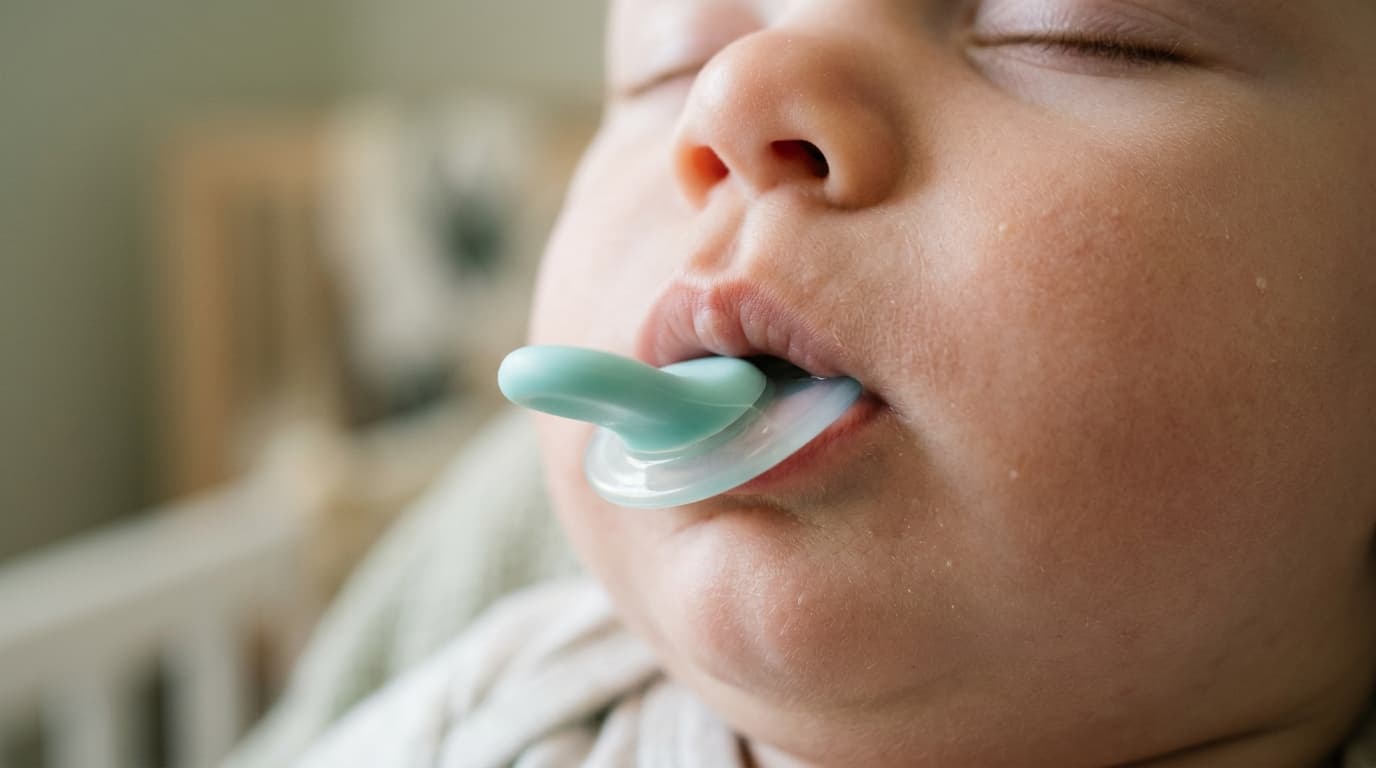
A soother sits in a very influential spot. It rests between the upper and lower front teeth and presses gently against the gums, the teeth, and the roof of the mouth every time a baby sucks. A baby's jaw and palate are still soft and growing, so they respond to steady pressure a bit like a plant leaning toward light. One short soothing session does almost nothing. Hours of sucking, day after day, month after month, is a different story, because the cumulative pressure can slowly guide where the teeth and bone end up.
The change parents notice most is an open bite. This is when the upper and lower front teeth no longer meet while the back teeth are closed, leaving a visible gap shaped a little like the soother itself. A long habit can also push the upper front teeth forward so they flare or stick out, which not only changes the smile but can leave those teeth more exposed to knocks and chips. Over time, constant sucking can narrow the upper jaw and raise the palate, and that narrowing can lead to a crossbite, where some of the upper back teeth bite inside the lower ones instead of outside them.
How big these effects get comes down to three things: how long the habit lasts in years, how many hours a day the soother is in, and how vigorously the child sucks. A baby who has a dummy only to fall asleep is in a very different situation from a toddler who keeps one in most of the waking day. This is also why timing matters so much. Caught early, many of these changes ease off on their own as the mouth keeps growing, which is the whole reason gentle, well-timed weaning gets so much attention.
The upside of soothers, including the safe sleep link
It would be easy to read the section above and want to throw every dummy in the bin, but that would miss half the picture. Sucking is one of the first things a baby is wired to do, and it does more than feed them. It soothes. A soother can calm a distressed baby, help a child settle between feeds, and ease the discomfort of brief medical moments like a vaccination. For some babies it also heads off a thumb-sucking habit, which is harder to manage because you cannot take a thumb away and put it on the dishwasher.
There is also a meaningful safety angle. Offering a soother at the start of sleep is linked with a lower risk of sudden infant death, and many safe sleep guidelines list it as one of the small, practical steps a family can consider. For breastfed babies the usual advice is to wait until feeding is well established, around the first month, before introducing a dummy, and then to offer it consistently at sleep times. The benefit is tied to using the soother for sleep, not to keeping it in around the clock.
So the realistic message is not "dummies are bad." It is that a soother is a useful tool with a sensible shelf life. Used mainly for comfort and sleep in the early stage, it earns its place. The work for parents is simply to enjoy those benefits while steering away from the all-day, every-day pattern that is most likely to affect the teeth. Looking after a baby's overall health, from steady hydration to enough vitamin D for growing bones and teeth, sits alongside soother habits as part of the bigger picture.
Good habits to limit the dental effects
The single most important rule is also the simplest: never dip a soother in anything sweet. Sugar, honey, jam, syrup, or sweetened drinks on a dummy bathe a baby's brand-new teeth in fuel for the bacteria that cause decay, often for long stretches while the baby sucks. Honey carries its own separate risk for babies under one year and should be avoided regardless. A soother should only ever go in the mouth plain and clean.
Beyond that, a few everyday habits go a long way. Try to use the soother for a purpose, mostly comfort and sleep, rather than as a default that lives in the mouth all day. Once a baby is settled or asleep, you do not need to keep replacing it the instant it falls out. Keeping the dummy out during play, babbling, and mealtimes gives the teeth a rest from pressure and lets your baby practice making sounds and exploring food. Choosing an orthodontic-style soother shaped to be flatter against the palate may be gentler than a round bulb, though shape matters far less than how long the habit lasts overall.
Tooth care itself starts as soon as the first tooth appears. Brush twice a day with a smear of fluoride toothpaste, avoid sugary foods and drinks that feed decay, and book that first dental check early. None of these habits cancel out a long soother habit on their own, but together they protect the mouth while you work toward weaning. As with adults, good oral care is preventive: a healthy mouth rarely needs antibiotics, which are for infections, not for everyday tooth care.
When to start weaning off the soother
Weaning is where the soothers and teeth story usually resolves itself, because stopping the habit at a sensible age is the most powerful thing you can do to limit lasting changes. General guidance leans toward beginning to phase the dummy out within the first year and aiming to have it gone during the toddler years rather than letting it carry on. The earlier and more completely the habit stops, the better the chance that any bite changes settle back as the mouth grows. A habit that continues into the preschool years is the one most likely to need a dental opinion.
There is no single magic date that fits every child, and there is no need to go cold turkey overnight if that causes distress. Many families find a gradual approach works best: limiting the soother to sleep times first, then to naps, then phasing it out altogether, while offering plenty of comfort and praise along the way. Distraction, a comfort toy, and a calm bedtime routine can all fill the gap a dummy leaves. The disruption can ripple through the household, and a few unsettled nights of insomnia for everyone is common during the transition, so picking a relatively calm week, rather than the middle of a house move or a new daycare start, tends to help.
If you are not sure when or how to start, that is exactly the kind of question a pediatrician or pediatric dentist is happy to help with. They can look at your child's mouth, take account of their age and temperament, and suggest a timeline that protects the teeth without turning bedtime into a battle. Trust your read on your own child, and ask for support when you want it.

Soother hygiene and safety
A soother spends a lot of time in your baby's mouth, so keeping it clean matters. Wash dummies frequently with soap and water, and sterilize them as directed by the manufacturer, which is especially important in the first six months while a baby's immune system is still developing. Resist the very common temptation to "clean" a dropped soother by sucking it yourself, because that simply transfers your mouth bacteria, including the bacteria linked to cavities, straight to your baby.
Safety is about both the soother and how it is attached. Choose a dummy made as a single solid piece so there are no small parts that could come loose and choke a baby, and make sure the shield is wide enough that the whole thing cannot fit fully into the mouth. Inspect every soother regularly, pulling gently to check for splits, tears, or a weak point where the silicone meets the shield, and replace it at the first sign of wear. Old, damaged soothers can break apart, which is a choking hazard.
The most important safety rule concerns cords. Never tie a soother to a string, ribbon, or cord around your baby's neck, and never attach it to the cot, because of the serious risk of strangulation. If you want to keep a dummy from getting lost, use only a short clip designed for the purpose, attached to clothing and used exactly as the instructions say. And do not share soothers between children, since that can pass on germs. Sensible hygiene here protects far more than teeth, helping reduce everyday infections, much as good general care helps the body fend off bugs like the flu.
When to see a dentist or doctor
Most soother use never needs a special appointment, but a few signs are worth acting on. On the dental side, book a visit with a pediatric dentist if you notice the front teeth no longer meeting when the back teeth are closed, front teeth that are flaring or sticking out, a change in the shape or height of the palate, or any difficulty biting. The same applies if your child is still attached to the dummy as the preschool years approach, since that is when a lingering habit is most likely to leave a mark that needs attention. A dentist can monitor the mouth and, if needed, suggest gentle ways to help.
Setting up that first dental check around your child's first birthday is a smart habit in its own right, soother or not. A pediatric dentist can spot early changes, reassure you about what is normal, and tailor advice to your child rather than to a general rule. They can also guide weaning if the habit is proving stubborn, and check that new teeth are coming in and being cared for well.
Bring in a doctor as well if you have wider concerns, such as a baby who seems to get frequent ear infections, has trouble with feeding, or is slow to babble and make early speech sounds, since very heavy all-day soother use can play a part in some of these. If a baby has a headache of distress that you cannot settle, a persistent sore throat, or signs of illness, treat those on their own merits rather than assuming the soother is to blame. None of this is a diagnosis, and there is no test like a routine complete blood count that decides soother questions; your pediatrician or pediatric dentist looking at your child is what counts. A warm, caffeine-free drink such as ginger tea with lemon might comfort a tired parent through a rough weaning week, but the real reassurance comes from a professional who knows your child.
Key takeaways
Soothers and teeth are linked mainly through time and frequency, not through the dummy itself. A soother sits between the front teeth and presses on the soft, growing jaw and palate, so long, frequent sucking into the toddler years can cause an open bite, flared front teeth, a narrowed upper jaw, or a crossbite, while short, sensible use in the early months rarely leaves lasting change. At the same time, a soother genuinely helps: it comforts, satisfies a natural urge to suck, and offered at sleep times is linked with a lower risk of sudden infant death. To keep the benefits while protecting the mouth, never dip a soother in sugar or honey, use it mainly for comfort and sleep rather than all day, start brushing as soon as the first tooth appears, keep dummies clean and well maintained, never tie one around the neck or to the cot, and begin phasing the habit out within the first year so it is gone during the toddler years. See a pediatric dentist if the front teeth stop meeting, teeth flare, the palate changes shape, or the habit lingers toward preschool age, and book a first dental visit around the first birthday. This article is general information and does not replace your pediatrician or pediatric dentist.
Frequently asked questions
Do soothers and teeth really affect each other?
Yes, but mostly with long and frequent use. A soother sits between the upper and lower front teeth and presses on the developing jaw and palate. In short bursts during the first year this rarely causes lasting change. When a child keeps using a dummy for many hours a day into the toddler years, the constant gentle pressure can move the front teeth and reshape the bite over time.
How does a pacifier change a baby's bite?
The most common changes are an open bite, where the upper and lower front teeth do not meet when the back teeth are closed, and front teeth that flare or stick out. Long use can also narrow the upper jaw and lead to a crossbite, where some upper teeth sit inside the lower ones. These changes depend a lot on how long, how often, and how intensely a child sucks.
At what age does a soother start to affect teeth?
Brief use in the first year or so is generally low risk. The concern grows when sucking continues well into the toddler years, especially past the second and third birthdays. The longer a habit lasts beyond that point, the more likely it is to leave changes that may need attention, which is why gradually phasing out the dummy is encouraged.
Will the changes from a dummy correct themselves?
Often yes, if the habit stops early enough. When a child gives up the soother before the permanent front teeth come in, many of the bite changes tend to improve on their own as the mouth keeps growing. The longer the habit continues, the higher the chance that a change settles in and may need a dental opinion or treatment later.
Are soothers ever good for a baby?
Yes. A soother can calm and comfort a baby, satisfy a natural urge to suck, and help settle a child to sleep. Offering a dummy at sleep times is also linked with a lower risk of sudden infant death. For many families the soothing and safer-sleep benefits in the early months are real, which is why the goal is sensible use rather than avoiding dummies entirely.
When should I stop using a soother?
General guidance is to begin phasing the dummy out within the first year and to aim to have the habit fully stopped during the toddler years rather than letting it run on. Earlier weaning lowers the chance of lasting bite changes. There is no single perfect date for every child, so your pediatrician or pediatric dentist can suggest a timeline that fits your child.
Should I ever dip a soother in sugar or honey?
No. Never dip a soother in sugar, honey, jam, or any sweet liquid. Sugar feeds the bacteria that cause tooth decay, and coating a dummy bathes the new teeth in sugar for long stretches. Honey also carries a separate risk for babies under one year. A plain, clean soother is always the safer choice.
How do I keep a soother clean?
Wash soothers often with soap and water, and sterilize them as directed, especially in the first six months. Check regularly for cracks, tears, or weak spots, and replace a worn soother promptly. Do not clean a dummy by sucking it yourself, since that can pass mouth bacteria to your baby. Buy soothers designed as one solid piece.
Is it safe to clip a soother to my baby's clothes?
A short clip designed for soothers, attached to clothing, can be fine when used as directed. What is not safe is tying a dummy on a cord, ribbon, or string around a baby's neck or to the cot, because of the serious risk of strangulation. Always follow the product instructions and keep any attachment short.
Does a soother cause speech or ear problems?
Very frequent, all-day soother use has been linked with more ear infections and can get in the way of early speech and babbling, since a dummy in the mouth limits practice with sounds. Using a soother mainly for comfort and sleep, rather than constantly through the day, helps lower these concerns while a child learns to talk.
When should I take my child to a dentist about soother use?
It is worth a visit if you notice the front teeth not meeting, teeth flaring outward, a change in the shape of the palate, or trouble biting, and certainly if the habit continues into the preschool years. Setting up a first dental visit around the first birthday is a good habit on its own, and the dentist can monitor how soother use is affecting the mouth.
References
- Pacifiers and Thumb Sucking (HealthyChildren.org, American Academy of Pediatrics)
- Reduce the risk of sudden infant death syndrome (SIDS) (NHS, National Health Service, United Kingdom)
- Frequently Asked Questions (AAPD, American Academy of Pediatric Dentistry)
- Tips for helping your teething baby (NHS, National Health Service, United Kingdom)
Author
Equipe Editorial GuiaDeSaude
The GuiaDeSaude Editorial Team researches and writes content from recognized medical sources (PubMed, Ministry of Health, WHO, Mayo Clinic, among others). All information is checked against at least two sources before publication.