Swollen Taste Bud: Why It Happens, How Lie Bumps Heal, and When to See a Doctor

You feel it before you see it: a tender little spot on your tongue that stings every time you eat, drink, or talk. You head to the mirror, stick out your tongue, and there it is, a small red or white bump that was not there yesterday. It is one of those minor problems that feels much bigger than it is, partly because the tongue is so sensitive and partly because we use it all day long. The good news is that a swollen taste bud is almost always harmless and tends to settle on its own.
This guide explains, in plain language, what is actually going on. You will learn what taste buds and papillae are, what a swollen taste bud and lie bumps really are, what tends to set them off, how they usually heal without any treatment, simple ways to feel more comfortable while they do, and the few signs that mean it is time to check in with a provider. Everything here is based on trusted sources, including Cleveland Clinic and the NHS (National Health Service of the United Kingdom). This is general information, not a diagnosis.
What taste buds and papillae actually are
Your tongue is not as smooth as it looks. Its surface is covered in tiny bumps called papillae, and inside many of them sit your taste buds. Cleveland Clinic describes taste buds as tiny sensory organs on the tongue that help you tell the difference between sweet, salty, sour and bitter flavors. Thousands of them are spread across the tongue, quietly doing their job every time you eat.
There is more than one kind of papilla, and they are not all the same. According to Cleveland Clinic, the tongue has four types. The circumvallate papillae are the largest and sit at the back, with around 250 taste buds each. The filiform papillae sit in the front and center, look threadlike, and contain no taste buds at all. The foliate papillae form rough folds along the sides of the tongue and hold hundreds of taste buds. The fungiform papillae, most prominent at the edges and tip, number a few hundred and carry a handful of taste buds each.
Here is the reassuring part: all of these little bumps are a normal feature of a healthy tongue. They are supposed to be there, and on their own they need no medical attention. The trouble only starts when one of them gets irritated and swells up more than its neighbors.
What a swollen taste bud and lie bumps are
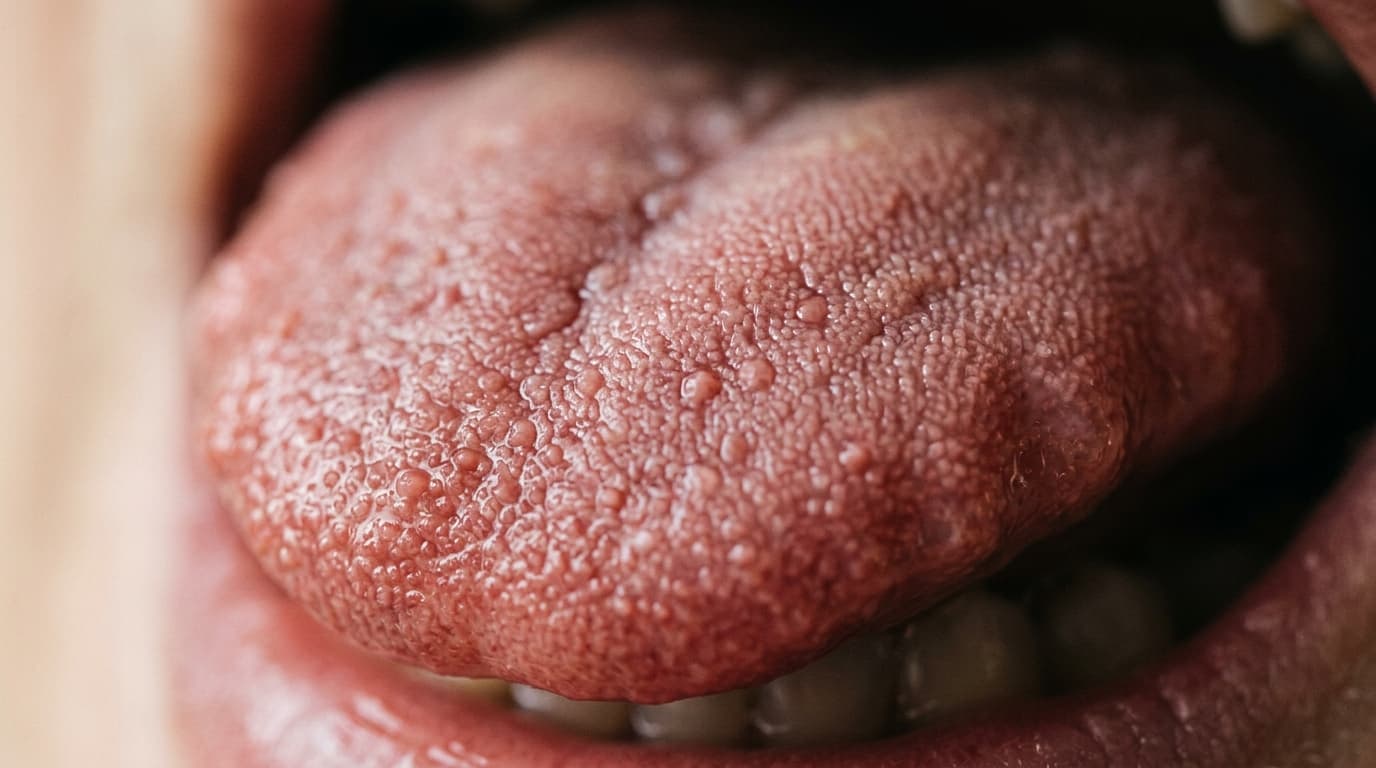
A swollen taste bud is simply a taste bud that has become inflamed or irritated for some reason, as Cleveland Clinic puts it. When that happens, the spot tends to be painful and sensitive, particularly when you are eating or drinking. It may show up as a bright red, white, or fluid-filled spot on the surface of the tongue. Most of the time it is a single tender point that you keep noticing because your tongue brushes against your teeth all day.
Lie bumps are a closely related, very common version of the same idea. Lie bumps is the everyday name for a condition called transient lingual papillitis. Cleveland Clinic explains that it happens when something irritates your papillae, the tiny bumps that cover your tongue and contain your taste buds. The papillae swell into noticeable, often painful bumps, usually on the tip or along the sides of the tongue. They can be red, white or yellowish, and they often bring a sharp or burning feeling.
Despite the dramatic folk name, lie bumps have nothing to do with telling lies. The word transient is the key part: these bumps come and go. Cleveland Clinic notes there are a few forms of the condition. The classic type is the most common and produces one or more painful red or white bumps. An eruptive type mainly affects children, can include fever and swollen lymph nodes (similar to what can accompany a sore throat), and may be contagious. There are also less common patterns that cover more of the tongue. For most adults dealing with the occasional sore spot, the classic, harmless type is what they are experiencing.
What causes a swollen taste bud
Most swollen taste buds come down to one thing: irritation. Something rubbed, burned, or inflamed a small part of your tongue, and that spot reacted. Pulling together the causes listed by Cleveland Clinic, a clear pattern emerges, and many of the triggers are everyday things you would never think twice about.
Food and drink are among the most common culprits. Burning your tongue on a hot coffee, soup, or slice of pizza can leave a taste bud sore and swollen. Sour and spicy foods do it too. For lie bumps specifically, Cleveland Clinic points to irritants such as cinnamon, chili peppers and acidic foods, the kinds of strong flavors that can leave the tongue feeling raw.
Physical irritation is the next big group. Cleveland Clinic lists tongue trauma, meaning any small injury, as a trigger for lie bumps, and biting or scraping your tongue counts. Dental appliances such as braces and dentures can rub against the tongue and irritate it. Irritating oral care products are mentioned as well, so a harsh mouthwash or toothpaste can sometimes be the hidden cause.
Then there are conditions inside the mouth and body. Poor oral hygiene, with plaque and bacteria building up, can contribute, according to Cleveland Clinic. So can dry mouth, known medically as xerostomia, because saliva normally protects and soothes the tongue, which is one more reason to keep up good hydration. Chronic acid reflux, or GERD, where stomach acid can reach and irritate the mouth, is on the list as well. Food and medication allergies can play a part too, and some medicines, including antibiotics, can upset the balance in the mouth in other ways.
Finally, two less obvious triggers are worth a mention. Cleveland Clinic includes stress among the possible causes of lie bumps, along with viral infections (the kind behind illnesses like the flu) and hormonal changes, such as those that also drive PMS. Many people first notice a sore bump during a stressful, run-down stretch, often when poor sleep or insomnia is part of the picture, and that is not a coincidence. The takeaway is simple: a swollen taste bud is usually your tongue reacting to an irritant, not a sign that something is seriously wrong, much like a stress-related headache that fades once the rough patch passes.
How swollen taste buds usually heal on their own
This is the part most people are relieved to hear. In the large majority of cases, a swollen taste bud does not need any treatment at all, because it heals by itself. Cleveland Clinic notes that swollen taste buds typically resolve independently in just a few days, though some may stick around for a week or more.
Lie bumps follow the same gentle pattern. According to Cleveland Clinic, the symptoms usually disappear within a few days to a week without treatment. The trade-off is that the condition can recur, so if you are prone to them, you may see them show up again now and then, often when the same trigger comes back into your life.
Because the body handles the healing, the main job while you wait is to avoid making things worse. That means steering clear of whatever is likely to keep irritating the spot, and being patient. Cleveland Clinic is clear on one tempting mistake to skip: resist the urge to pop the bumps. Popping or picking at a lie bump only adds more irritation and can slow the natural healing that would have happened on its own.
Simple comfort measures while it heals
Even though a swollen taste bud heals on its own, you do not have to just suffer through the soreness. A few gentle, low-effort measures can take the edge off while your tongue settles down. None of these are cures; they are simply ways to feel more comfortable.
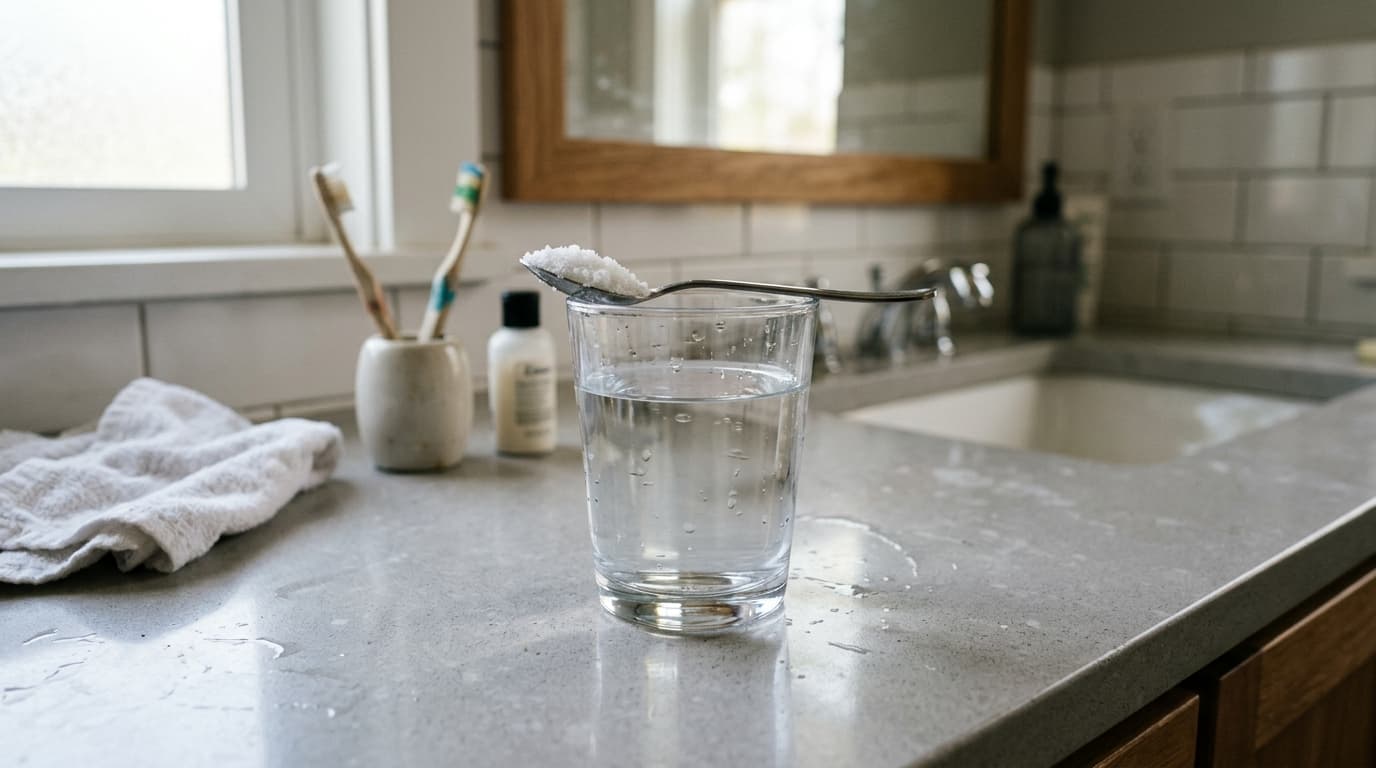
The most recommended one is a warm salt water rinse. Cleveland Clinic suggests rinsing your mouth with warm salt water as a soothing home measure, and it is easy to do a couple of times a day. Cleveland Clinic also mentions applying an ice cube to the affected area, which can calm the sting, and choosing soft, cool, bland foods so you are not constantly irritating the spot at mealtimes.
The NHS, writing about sore mouths and mouth ulcers, offers a set of practical tips that apply nicely here too. It suggests using a soft-bristled toothbrush so you are gentler on the area, sipping cool drinks through a straw to bypass the sore spot, and sticking to softer foods while things heal. The flip side matters just as much. The NHS advises avoiding very spicy, salty or acidic food, and steering clear of rough, crunchy foods such as toast or crisps, along with hot or acidic drinks, all of which can aggravate a tender tongue.
To keep it simple, here is what tends to help and what tends to hurt while a swollen taste bud heals.
| Helps soothe the area | Tends to make it worse |
|---|---|
| Warm salt water rinses (Cleveland Clinic) | Spicy, salty or acidic foods (NHS) |
| Cool, soft, bland foods (Cleveland Clinic) | Rough, crunchy foods like toast or crisps (NHS) |
| Sipping cool drinks through a straw (NHS) | Very hot or acidic drinks (NHS) |
| A soft-bristled toothbrush (NHS) | Picking or popping the bump (Cleveland Clinic) |
None of this is complicated, and that is the point. Give the spot a break from irritation, keep things gentle and cool, and let your body do the rest.
How a swollen taste bud differs from other tongue spots
Part of what makes a sore tongue worrying is not knowing what kind of spot you are looking at. Most spots on the tongue are benign, but they are not all the same thing. Cleveland Clinic's overview of spots on the tongue is helpful here, because it lays out the common, harmless ones alongside the few that deserve closer attention.
Several common spots are nothing to fear. Lie bumps, as covered above, are small red or white bumps from tongue irritation that resolve within days. Canker sores show up as yellow or white spots with a border, usually after minor mouth injuries or stress, and tend to heal within weeks. Geographic tongue creates harmless, map-like patches and is non-contagious. Cold sores, by contrast, are fluid-filled blisters caused by a virus and can spread through saliva, so they sit in a slightly different category.
A smaller group of changes is worth taking more seriously, and the reassuring news is that they have telltale features. Cleveland Clinic notes that white or red patches that do not scrape off are the ones to get checked, as are growths that keep getting bigger or sores that do not heal. This is exactly where the simple rule of thumb comes in, and it is the same rule the rest of this guide keeps returning to: a brief, harmless spot behaves very differently from one that lingers, grows, or comes with other symptoms.
The bottom line for everyday sore spots is comforting. A tender bump that appears, hurts for a few days, and then fades is the classic behavior of a swollen taste bud or lie bump, and that is the experience most people have.
When to see a provider
Almost every swollen taste bud clears up quietly on its own, but there is a clear line where it makes sense to get a professional opinion. Knowing that line takes the guesswork, and the anxiety, out of the situation.
For a swollen taste bud, Cleveland Clinic recommends contacting a healthcare provider if symptoms persist beyond two weeks, or if the pain is bad enough to interfere with your daily activities. The same two-week mark applies to lie bumps and to tongue changes in general: if it has not settled within that window, it is worth having it looked at rather than continuing to wait.
The NHS, writing about mouth ulcers, adds a few more specific prompts that are useful to keep in mind. It advises seeing a GP or dentist if a sore lasts more than three weeks, if it keeps coming back, or if it bleeds and becomes more painful and red, which the NHS notes may be a sign of an infection that a provider might investigate, sometimes with tests such as a complete blood count. A sore that behaves very differently from ones you have had before is also worth mentioning to a professional.
Cleveland Clinic's broader guidance on spots on the tongue rounds out the picture. It suggests seeing a provider if spots last longer than two weeks, are growing, or come with warning signs such as bleeding, changes in taste, mouth pain, or trouble eating and drinking. White or red patches that do not scrape off belong in that same get-it-checked group.
To make it easy to remember, here are the situations that mean it is time to book an appointment.
| See a provider if... | Source |
|---|---|
| A swollen taste bud or tongue change lasts beyond two weeks | Cleveland Clinic |
| The pain interferes with your daily activities | Cleveland Clinic |
| A spot is growing, or comes with bleeding, taste changes or trouble eating | Cleveland Clinic |
| A white or red patch does not scrape off | Cleveland Clinic |
| A mouth sore lasts more than three weeks or keeps returning | NHS |
| A sore bleeds and becomes more painful and red | NHS |
None of these signs mean the worst; they are simply the moments when it is wise to let a dentist or doctor take a look instead of waiting it out at home.
Can you prevent swollen taste buds?
You cannot stop every single flare-up, because some causes, like a viral infection or a hormonal shift, are outside your control. But you can tilt the odds in your favor by cutting down on the everyday irritants that Cleveland Clinic links to swollen taste buds.
Since hot, spicy and acidic foods are common triggers, easing off them, or at least letting hot food and drink cool a little before that first bite, can help. Because poor oral hygiene and dry mouth are on the list, good daily mouth care and staying hydrated both work in your favor. And if braces, dentures, or a particular toothpaste or mouthwash seem to be rubbing or stinging, that is worth raising with your dentist.
The overall message is calm and practical. A swollen taste bud is a small, common, and usually short-lived nuisance. Treat it gently, give it a few days, avoid the things that irritate it, and watch the clock: if it lingers past two weeks, grows, or brings other symptoms, that is your cue to check in with a provider.
Key takeaways
A swollen taste bud is a taste bud that has become inflamed or irritated, and lie bumps, the common name for transient lingual papillitis, are swollen papillae on the tongue, as Cleveland Clinic explains. Both are usually harmless. Typical triggers include hot, spicy or acidic foods, tongue trauma, braces or dentures, dry mouth, poor oral hygiene, GERD, allergies and stress. They tend to heal on their own within a few days to a week, so the main task is to avoid further irritation and resist popping the bumps. Warm salt water rinses, cool and soft foods, a soft toothbrush, and avoiding spicy, salty, acidic, hot or crunchy items can all ease the discomfort. The one rule worth remembering is about time and other symptoms: if a tongue change lasts beyond two weeks, the pain interferes with daily life, a spot is growing, or a sore bleeds and turns more red and painful, see a provider. This guide is general information and not a diagnosis.
Frequently asked questions
What exactly is a swollen taste bud?
A swollen taste bud is a taste bud that has become inflamed or irritated, according to Cleveland Clinic. Taste buds are tiny sensory organs on the tongue that help you tell the difference between sweet, salty, sour and bitter flavors. When one gets irritated, it can look like a small red, white or fluid-filled spot and usually feels sore or sensitive, especially while eating or drinking.
What are lie bumps?
Lie bumps is the everyday name for transient lingual papillitis. Cleveland Clinic explains that the condition happens when something irritates your papillae, the tiny bumps that cover your tongue and contain your taste buds. The papillae swell and form noticeable, often painful bumps on the tip or sides of the tongue. Despite the folk name, they have nothing to do with telling lies.
What causes a swollen taste bud or lie bumps?
Common triggers listed by Cleveland Clinic include burning the tongue on hot food, sour or spicy foods, tongue trauma, stress, dry mouth, poor oral hygiene, irritation from braces or dentures, food or medication allergies, and chronic acid reflux (GERD). Specific irritants noted for lie bumps include cinnamon, chili peppers and acidic foods.
How long does a swollen taste bud take to go away?
In most cases it clears on its own. Cleveland Clinic notes that swollen taste buds typically resolve in just a few days, though some may last a week or more. Lie bumps usually disappear within a few days to a week without any treatment, although they can come back.
How can I relieve the discomfort at home?
Cleveland Clinic suggests rinsing your mouth with warm salt water, applying an ice cube to the area, and sticking to soft, cool, bland foods while it heals. The NHS adds general mouth-soreness tips such as using a soft toothbrush, sipping cool drinks through a straw, and choosing softer foods. Avoid very spicy, salty or acidic foods that can irritate the area further.
Should I pop a lie bump?
No. Cleveland Clinic advises resisting the urge to pop the bumps. Popping or picking at them can cause more irritation and delay healing. The bumps tend to settle on their own within days.
Are swollen taste buds contagious?
The classic, most common type of lie bumps is not described as contagious. Cleveland Clinic notes that one specific form, eruptive lingual papillitis, mostly affects children, can come with fever and swollen lymph nodes, and may be contagious. Mouth ulcers, which are a separate issue, are not contagious either, according to the NHS.
What is the difference between a swollen taste bud, a lie bump and a canker sore?
They overlap but are not identical. A swollen taste bud is one irritated taste bud. Lie bumps are swollen papillae, usually several small red or white bumps. A canker sore, described by Cleveland Clinic as a yellow or white spot with a border, comes from minor mouth injuries or stress and tends to heal within weeks. All three are usually benign.
Can stress cause bumps on my tongue?
It can be a factor. Cleveland Clinic lists stress among the possible triggers for transient lingual papillitis (lie bumps), alongside tongue trauma, viral infections, hormonal changes and certain foods. Stress is also listed by the NHS as a possible trigger for mouth ulcers.
When should I see a doctor or dentist about a tongue bump?
Cleveland Clinic recommends contacting a healthcare provider if a swollen taste bud or tongue change lasts beyond two weeks, or if the pain interferes with your daily activities. The NHS advises seeing a GP or dentist if a mouth ulcer lasts more than three weeks, keeps coming back, or bleeds and becomes more painful and red, which may signal an infection.
What warning signs on the tongue should not be ignored?
Cleveland Clinic's guidance on spots on the tongue says to see a provider if spots last longer than two weeks, are growing, or come with bleeding, taste changes, mouth pain, or trouble eating and drinking. White or red patches that do not scrape off also deserve a professional check. This article is general information and is not a diagnosis.
Can I prevent swollen taste buds?
You cannot prevent every case, but you can lower the chances. Cleveland Clinic links swollen taste buds to triggers like hot, spicy and acidic foods, poor oral hygiene and dry mouth. Good daily mouth care, avoiding known irritants, and staying hydrated can all help reduce flare-ups.
Author
Equipe Editorial GuiaDeSaude
The GuiaDeSaude Editorial Team researches and writes content from recognized medical sources (PubMed, Ministry of Health, WHO, Mayo Clinic, among others). All information is checked against at least two sources before publication.